We recognize that responding to climate change is a global challenge, as global warming has led to increasingly severe and frequent extreme weather events and natural disasters.
In addition, the Group’s principal operating regions—Yamaguchi, Hiroshima, and Fukuoka Prefectures—have an industrial structure characterized by the concentration of petrochemical and heavy industrial complexes along the Seto Inland Sea coast and in the Kitakyushu region. These regions host major listed companies and their supply chains, particularly in sectors with high greenhouse gas (GHG) emissions. As a result, CO2 emissions in these regions are above the national average.
In light of these circumstances, we have identified “Response to Air Pollution and Climate Change” as one of our material issues and position climate change as a key management priority.
|
Yamaguchi Prefecture |
Hiroshima Prefecture |
Fukuoka Prefecture |
|
|
CO2 Emissions* |
24,431 thousand t-CO2 (14th nationwide) |
37,063 thousand t-CO2 (9th nationwide) |
30,675 thousand t-CO2 (12th nationwide) |
|
CO2 Emissions per Capita* |
18.82 t-CO2/person (3rd nationwide) |
13.54 t-CO2/person (4th nationwide) |
6.01 t-CO2/person (35th nationwide) |
- Source: Estimated by the Group based on the Ministry of the Environment, “Estimated Current Status of CO2 Emissions by Sector (FY2023)” and the Statistics Bureau of Japan, “Population Estimates (as of October 1, 2023)”
We have supported the recommendations of TCFD* since December 2021 and have been providing disclosures in line with these recommendations since FY2022. Going forward, we will further enhance our disclosures with a view to applying SSBJ standards.
- Task Force on Climate-related Financial Disclosures (TCFD): A private-sector, market-led task force established by the Financial Stability Board (FSB) in 2015 at the request of the G20 to promote consistent, comparable, and decision-useful climate-related financial disclosures by companies and other organizations.
Climate change governance is integrated into the Group’s overall sustainability governance framework.
The Board of Directors oversees the identification and management of climate-related risks and opportunities, along with various initiatives led by the Environmental Response Working Group under the Sustainability Promotion Committee.
(1) Climate-related Risks
Based on the Group’s business characteristics and the regional characteristics of its principal operating areas, we identify the following climate change-related risks over the short, medium, and long term.
|
Key Items (Transition Risk) |
Key Risks to the Group |
Time Horizon* |
||
|
Policy & Regulation |
|
Increased operating costs, lower utilization rates, and higher capital investment, potentially leading to financial deterioration |
|
Medium to long term |
|
Market & Technology |
|
Insufficient response to carbon neutrality may lead to erosion of brand value |
|
Short to long term |
- Short-term: less than 3 years; Medium-term: 3–10 years; Long-term: more than 10 years
|
Key Items (Physical Risk) |
Key Risks to the Group |
Time Horizon* |
|
|
Deterioration in business continuity and financial performance due to physical damage and business interruptions |
|
Short to long term |
|
Short to long term |
||
- Short-term: less than 3 years; Medium-term: 3–10 years; Long-term: more than 10 years
(2) Scenario Analysis
We conduct scenario analysis using multiple scenarios to understand the potential impacts of climate change-related risks, including transition risks and physical risks, on our business.
|
Transition Risk |
Physical Risk |
|
|
Risk Events |
|
|
|
Scenarios |
|
|
|
Methodology |
|
|
|
Scope of Analysis |
|
|
|
Analysis Period |
|
|
|
Analysis Results |
|
|
(3) Carbon-related Assets
In line with the TCFD recommendations, as part of our efforts to identify climate change-related risks, we calculate the proportion of carbon-related assets*1 within our loan portfolio and other exposures. As of March 31, 2026, carbon-related assets accounted for 50.9% of the Group’s total loans and other exposures.
|
Sector |
Share |
|
Energy*2 |
4.9% |
|
Transportation |
6.1% |
|
Materials & Buildings |
37.5% |
|
Agriculture, Food, & Forest Products |
2.4% |
|
Total (Carbon-related Assets in the Above Sectors) |
50.9% |
|
Total (All Sectors) |
100.0% |
- Carbon-related assets refer to assets associated with the “Energy,” “Transport,” “Materials and Buildings,” and “Agriculture, Food, and Forest Products” sectors.
- “Electric power” included in the “Energy” sector excludes renewable energy businesses such as solar, biomass, and wind power generation.
(1) Climate-related Opportunities
We recognize the following climate change-related opportunities over the short, medium, and long term.
|
Key Items |
Key Opportunities for the Group |
Time Horizon* |
|
Products & Services |
|
Short to long term |
|
Short to long term |
|
|
Short to long term |
- Short-term: less than 3 years; Medium-term: 3–10 years; Long-term: more than 10 years
(2) Financial and Non-financial Solutions
We view society’s response to climate change as an opportunity and provide a range of financial and non-financial solutions to support our customers’ efforts toward carbon neutrality, including initiatives to reduce GHG emissions.
Solutions for Regional Carbon Neutrality
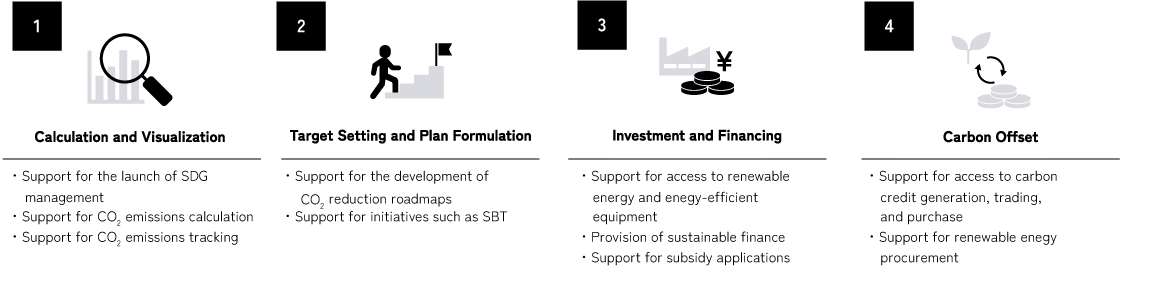
We continuously review our financial and non-financial solutions to meet the evolving needs of customers in our regions. To better understand these needs, we conduct surveys to monitor our customers’ climate change and decarbonization initiatives and the challenges they face.
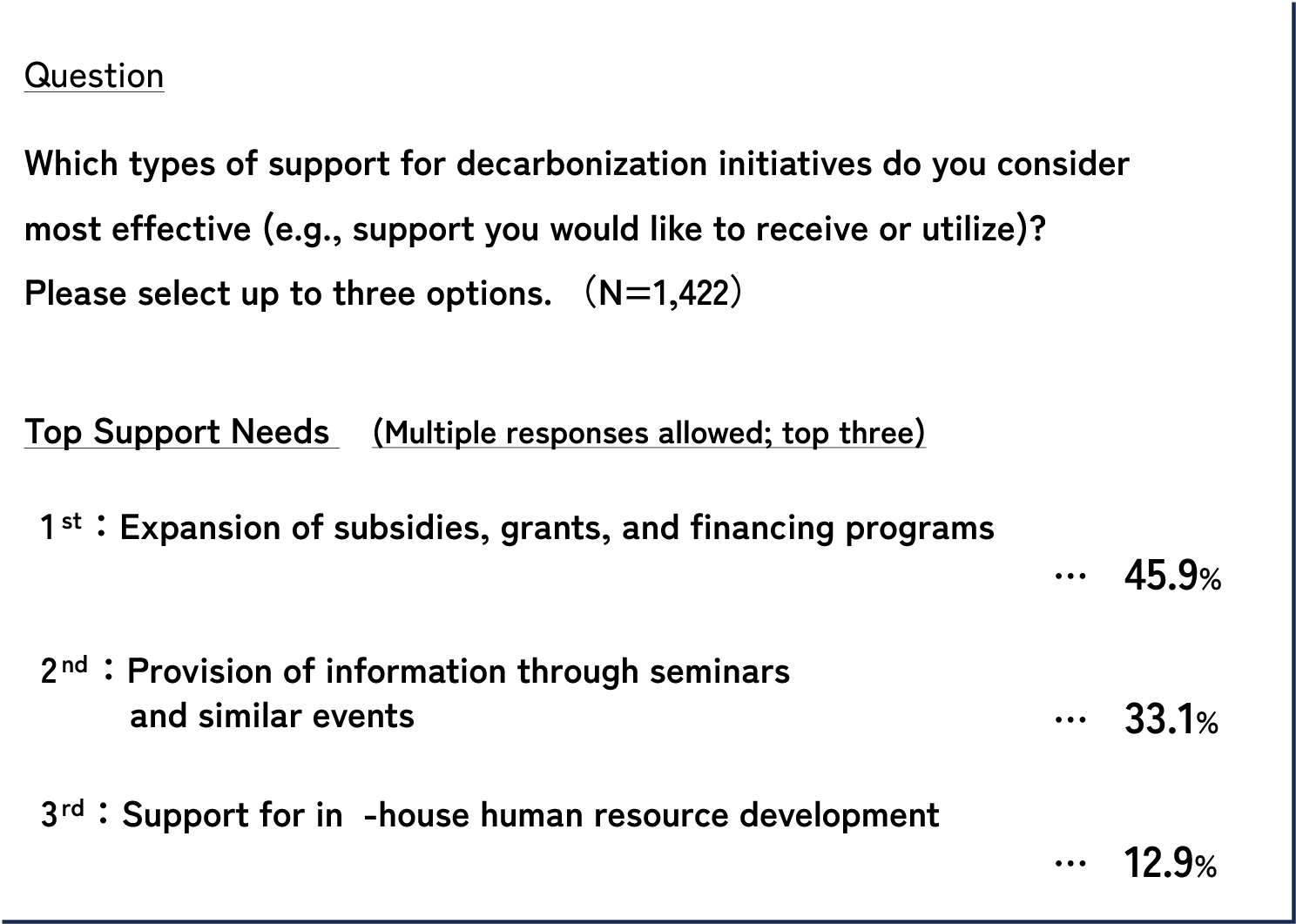
The latest survey* conducted in 2026 shows that demand for decarbonization support remains high.In particular, demand is strong for subsidies and financing programs, seminar-based information services, and human resource development support.
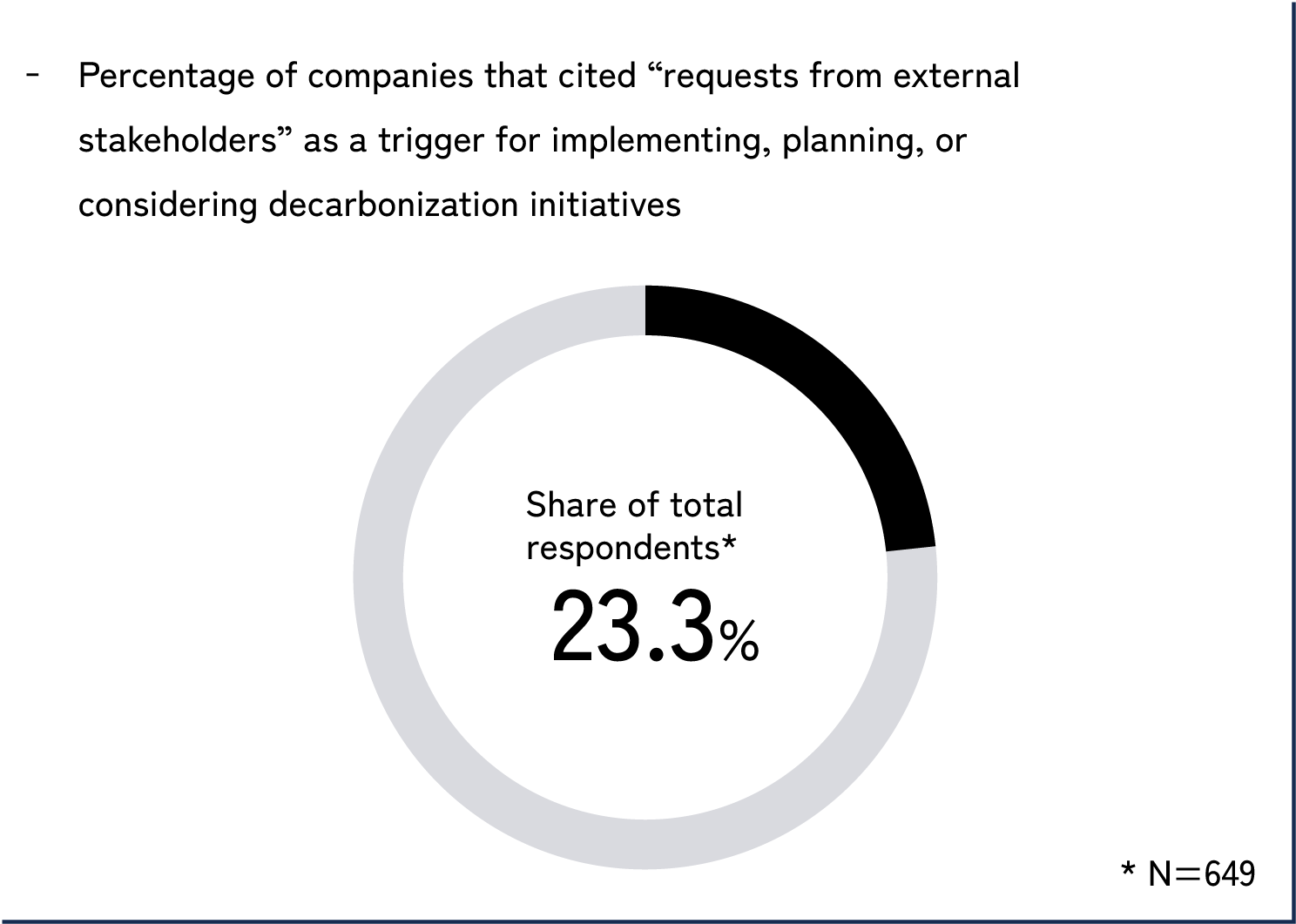
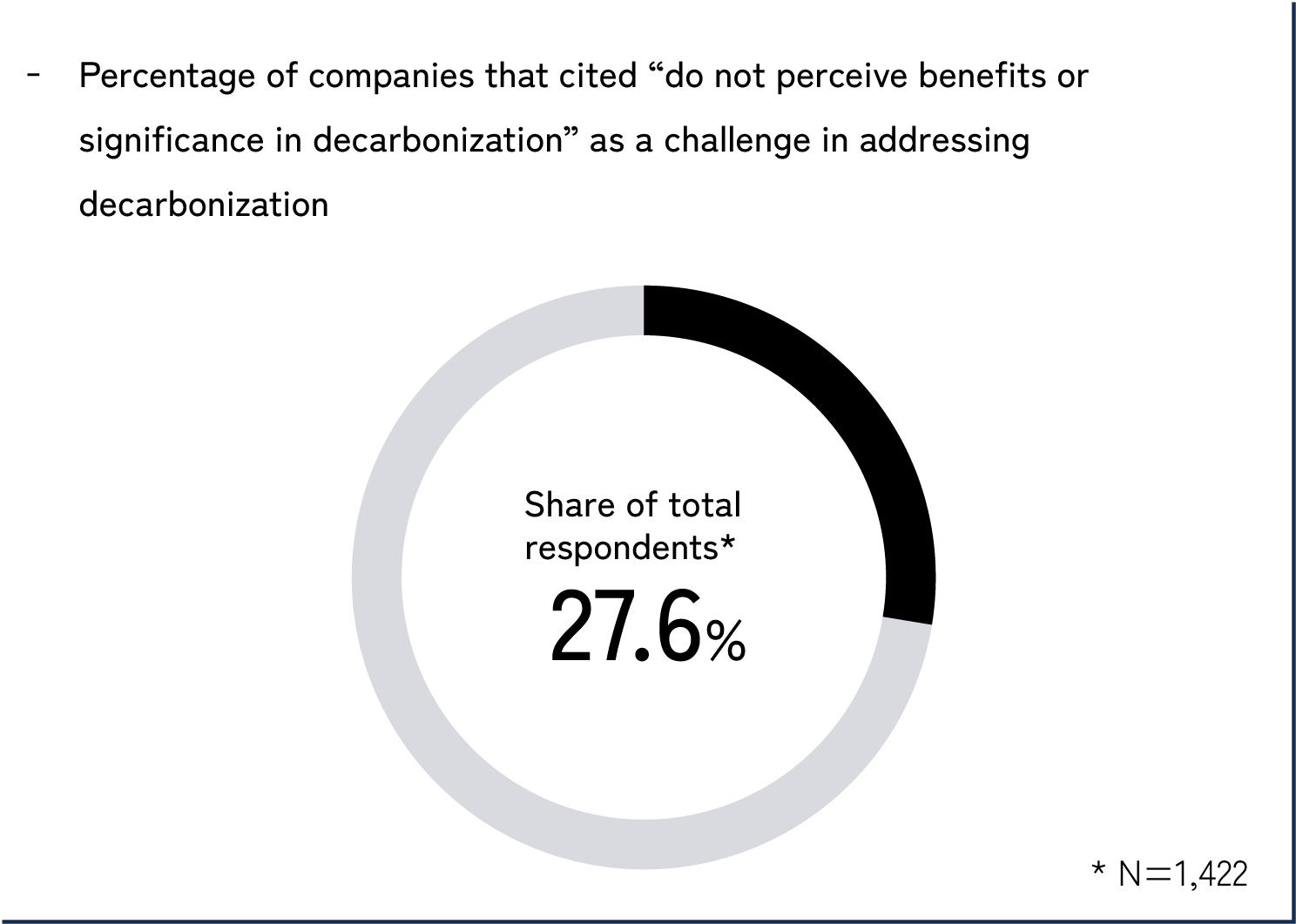
Furthermore, some companies identified requests from external stakeholders as a trigger for starting decarbonization efforts, and such requests are likely to increase in the future. At the same time, many companies still indicate that they do not perceive clear benefits from decarbonization. This highlights the importance of further awareness-raising efforts.
We are working to accelerate regional carbon neutrality not only by providing financial and non-financial solutions but also by sharing information and raising awareness through seminars and related initiatives, in collaboration with local governments.
- Survey conducted by: Local Vision Research Institute (the Group collaborated with the Institute in designing the survey questionnaire and distributed the survey and requested responses from customers).
Survey Results (Excerpt)
Climate change-related risks can propagate across risk categories—such as credit, market, liquidity, operational, and reputational risks—and materialize within each. In response to these characteristics, the Group incorporates climate-related risks into its integrated risk management framework and manages them within each relevant risk category.
Furthermore, the Group identifies climate-related risks, including transition risks and physical risks, across short-, medium-, and long-term time horizons within each risk category, as described below.
|
Risk Category |
Transition Risk |
Physical Risk |
||
|
Risk Description |
Time Horizon* |
Risk Description |
Time Horizon* |
|
|
Credit Risk |
|
Medium to Long term |
|
Short to Long term |
|
Market Risk |
|
Short to Long term |
|
Short to Long term |
|
Liquidity Risk |
|
Short to Long term |
|
Short to Long term |
|
Operational Risk |
|
Short to Long term |
|
Short to Long term |
|
Reputational Risk |
|
Short to Long term |
|
Short to Long term |
- Short-term: less than 3 years; Medium-term: 3–10 years; Long-term: more than 10 years
The Group addresses investments and financing in specific sectors that may have adverse environmental and social impacts in accordance with its “Policy on Environmentally and Socially Responsible Investment and Financing,” and strives to mitigate and avoid such impacts.
Since the establishment of this policy in May 2022, the Group has not conducted any investments or financing that conflict with the policy.
(1) Scope 1 and Scope 2 Emissions*1, 2
In November 2022, the Group announced a medium- to long-term target of achieving net-zero CO2 emissions (Scope 1 and Scope 2) by FY2030 as part of its efforts toward carbon neutrality and has since been working to reduce CO2 emissions.
Under the YMFG Medium-Term Management Plan (FY2025–FY2029), which commenced in FY2025, the Group aims to achieve net zero CO2 emissions (Scope 1 and Scope 2) one year ahead of schedule, by FY2029.
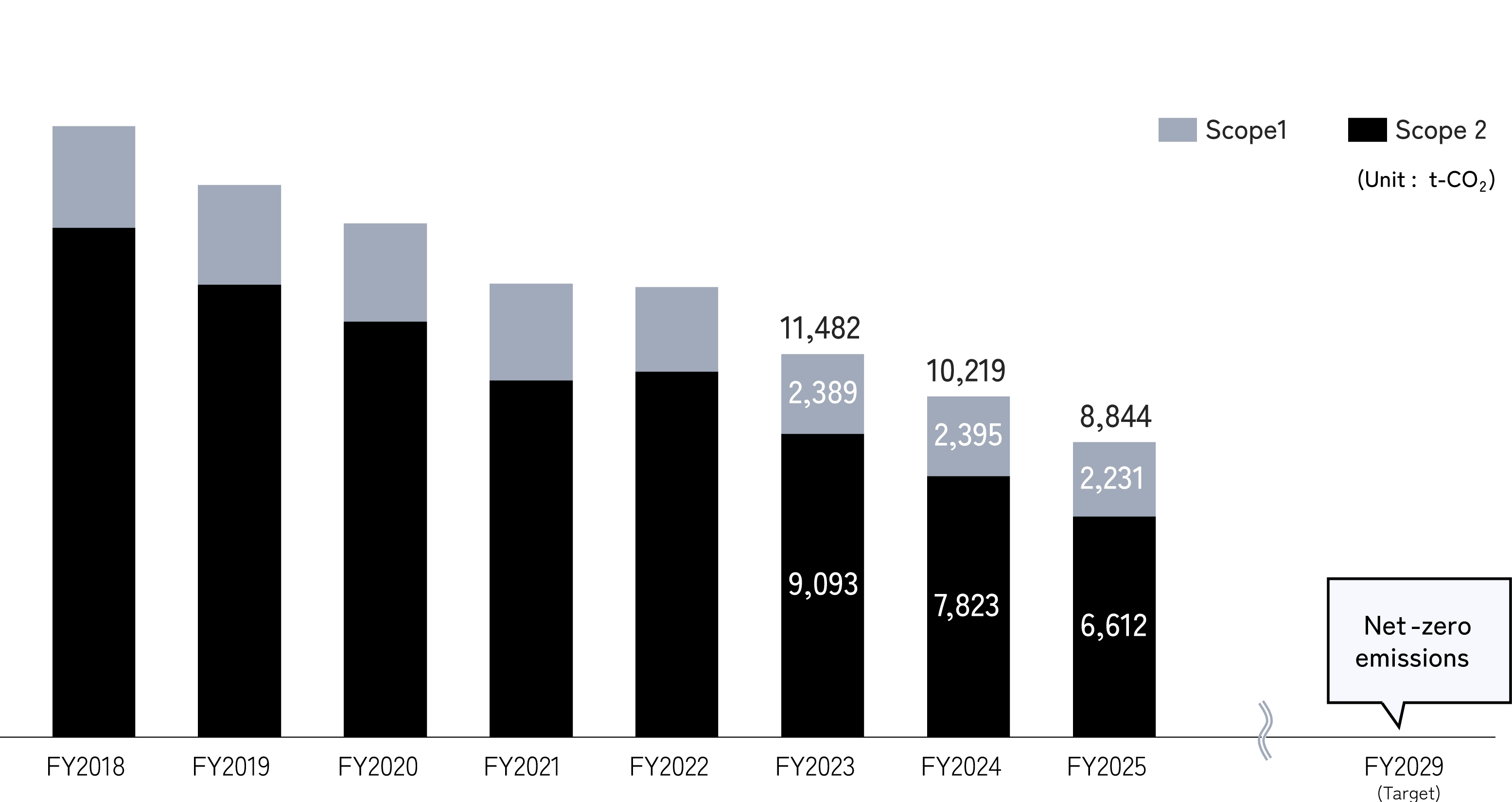
- Scope of calculation: the Group and its consolidated subsidiaries
- Calculation method: Based on emission factors defined under the Ministry of the Environment’s Greenhouse Gas Emissions Calculation, Reporting and Publication System.
In FY2025, CO2 emissions from the Group’s business activities decreased by 13.5% year on year. To further reduce CO2 emissions, we will strengthen our initiatives, including the use of renewable electricity, the replacement of company vehicles with environmentally friendly models, and the introduction of energy-efficient air-conditioning and lighting systems.
(2) Scope 3 Emissions*1
Since FY2023, the Group has been calculating Scope 3 emissions, including Category 15.
In FY2025, the Group worked to expand the scope of Scope 3 emissions calculations to include the Group and its consolidated subsidiaries.
However, Category 15 (financed emissions) is calculated only for the Group’s banking subsidiaries—Yamaguchi Bank, Momiji Bank, and Kitakyushu Bank.
|
Category & Metrics*2,3 |
FY2025 (Unit: t-CO2) |
|
|
Category 1 |
Purchased goods & services |
53,586 |
|
Category 2 |
Capital goods |
30,949 |
|
Category 3 |
Fuel- and energy-related activities (not included in Scope 1 or Scope 2) |
1,824 |
|
Category 4 |
Transportation & distribution (upstream) |
502 |
|
Category 5 |
Waste generated in operations |
337 |
|
Category 6 |
Business travel |
609 |
|
Category 7 |
Employee commuting |
1,606 |
|
Category 11 |
Use of sold products |
45 |
|
Category 12 |
End-of-life treatment of sold products |
154 |
|
Category 13 |
Leased assets (downstream) |
16,259 |
|
Category 15 |
Investments & loans |
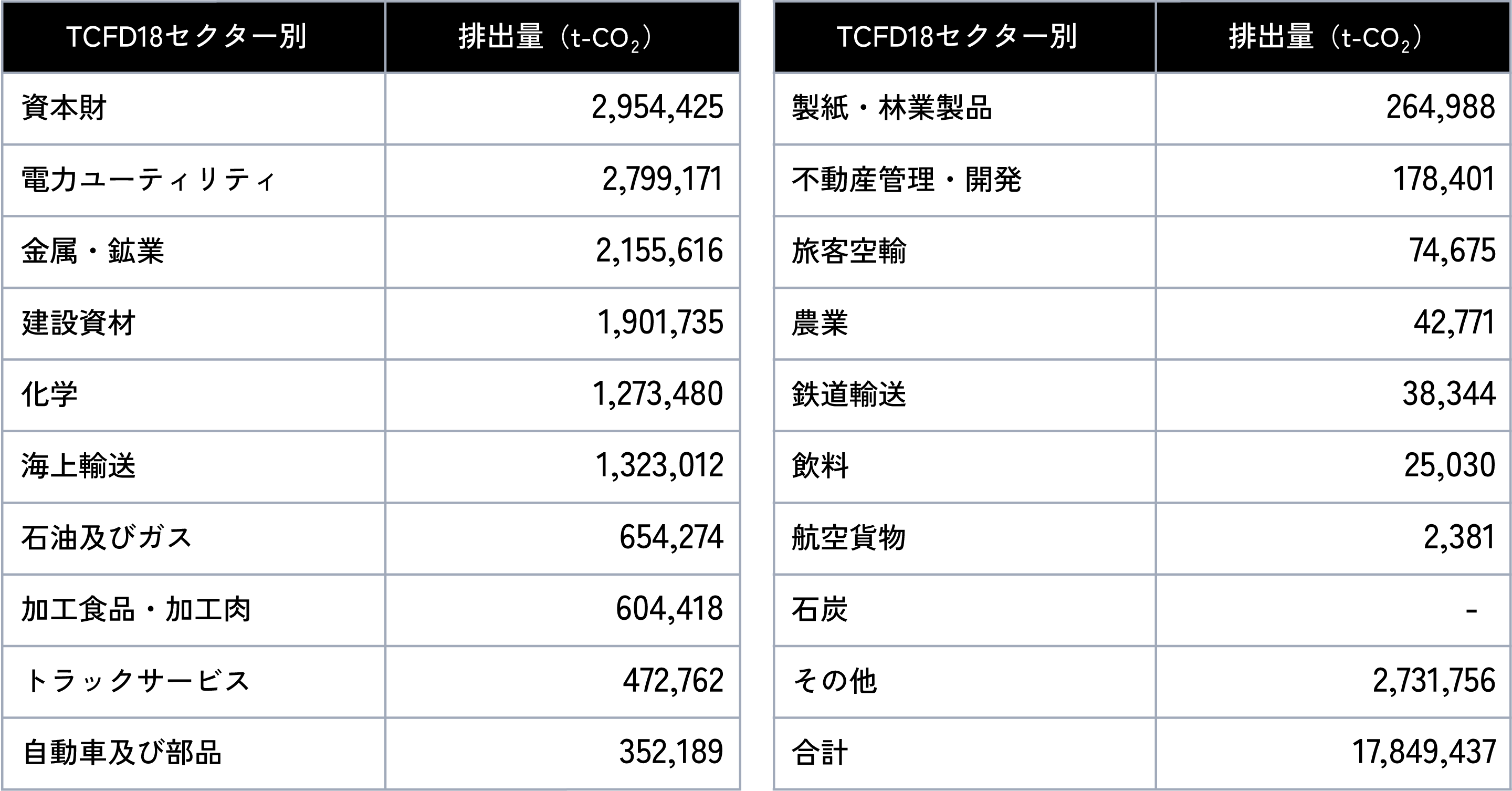
17,849,437 |
|
Total |
17,955,311 |
|
- Calculation method: Calculated using emission factors published under the Ministry of the Environment and the Ministry of Economy, Trade and Industry’s “Basic Guidelines on Accounting for Greenhouse Gas Emissions Throughout the Supply Chain (Ver. 2.8)” and the Ministry of the Environment’s “Emission Factor Database for Calculating Greenhouse Gas Emissions Across Organizations (Ver. 3.6)”.
- Emission activities for Categories 8, 9, and 14 are zero.
- Emissions for Category 10 are excluded from the calculation, as it is difficult to reasonably estimate emissions due to constraints in obtaining downstream data.
(3) Scope 3 Category 15 (Financed Emissions)
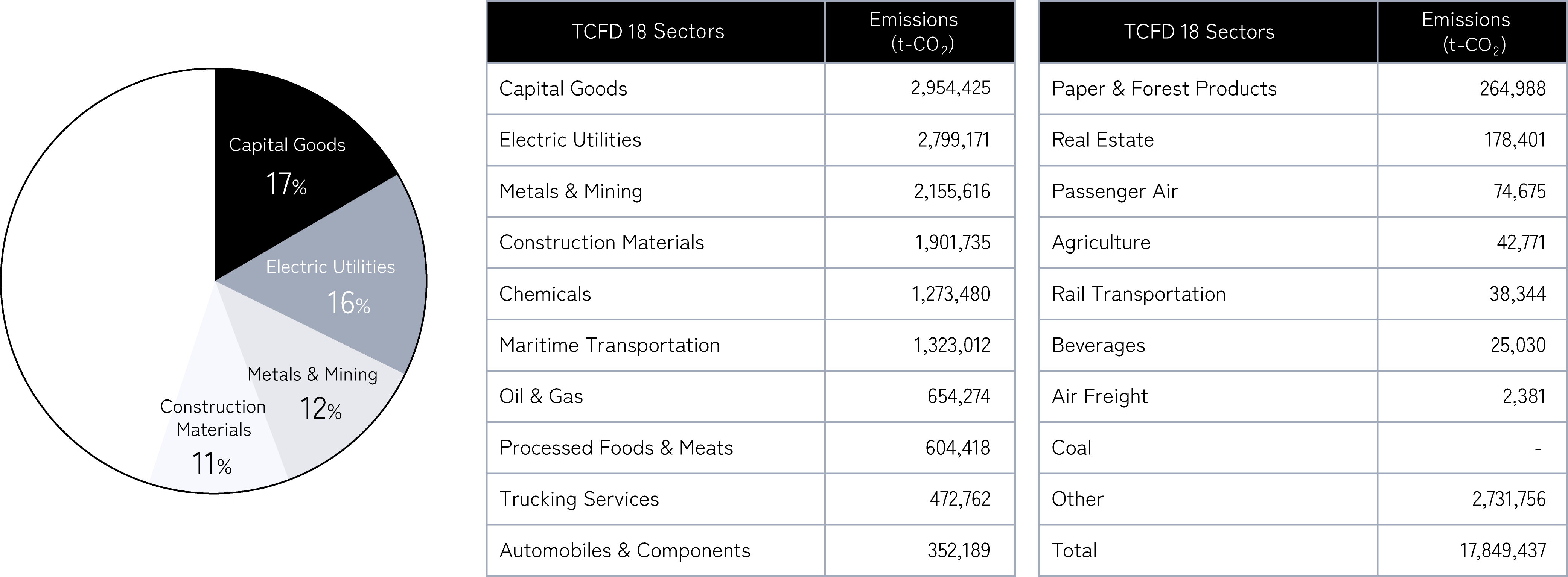
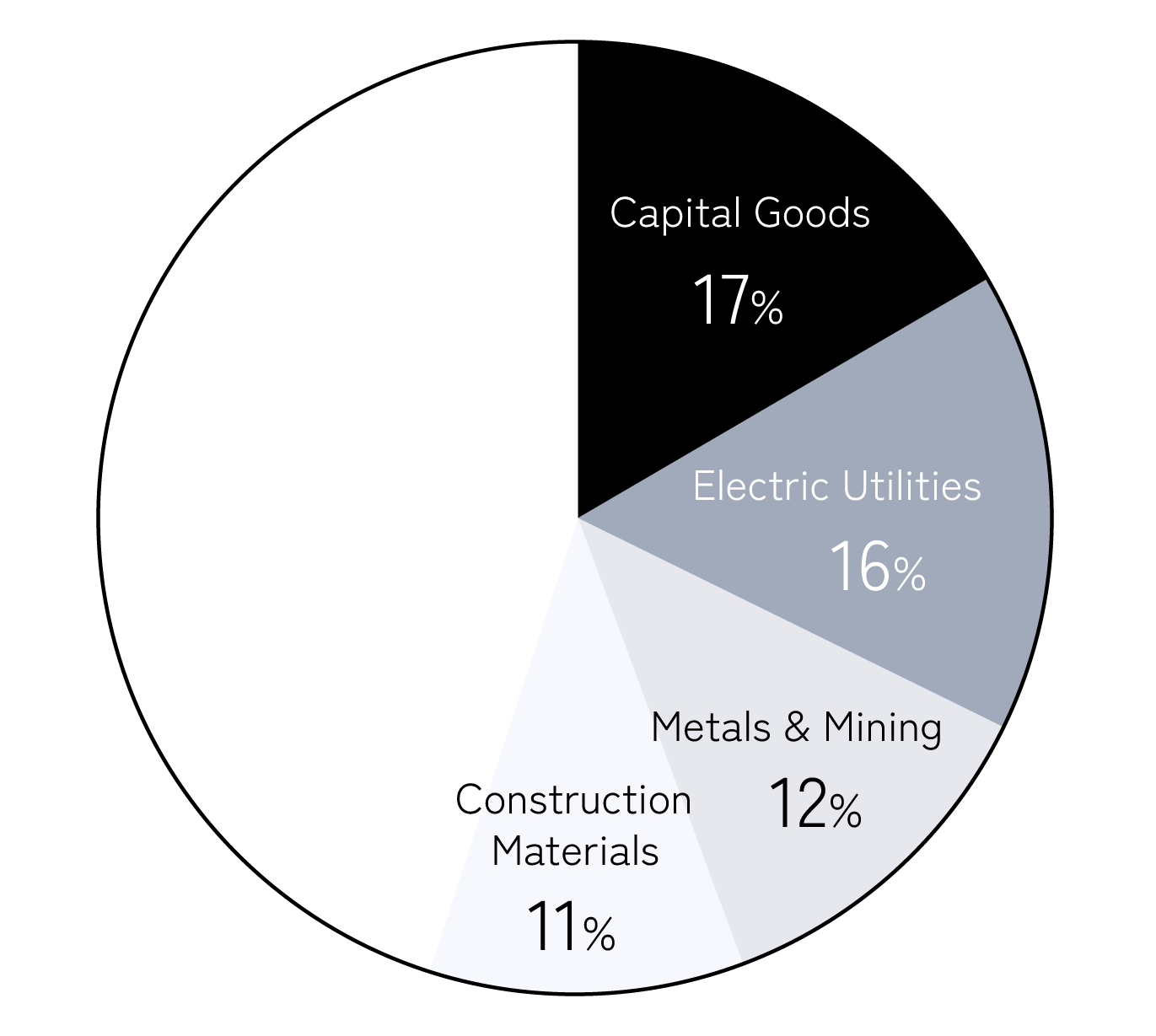
Due to the nature of financial institutions’ business activities, the majority of CO2 emissions across the value chain fall under Scope 3 Category 15 (financed emissions). Accordingly, the Group, which comprises three banking subsidiaries, recognizes the importance of continuously monitoring and understanding Scope 3 Category 15 emissions.
In FY2025, emissions were calculated for “listed equities and corporate bonds,” “corporate lending,” and “project finance” at the Group’s banking subsidiaries.
For the calculation of emissions at the individual company level, the Group uses a combination of two approaches: bottom-up approach*1 and top-down approach*2.
- Bottom-up approach: A method of calculating emissions using data disclosed by each entity, thereby reflecting actual business activities.
- Top-down approach: A method of estimating emissions using industry-average carbon intensity (emissions per unit of revenue) for the sectors in which investees or borrowers operate.
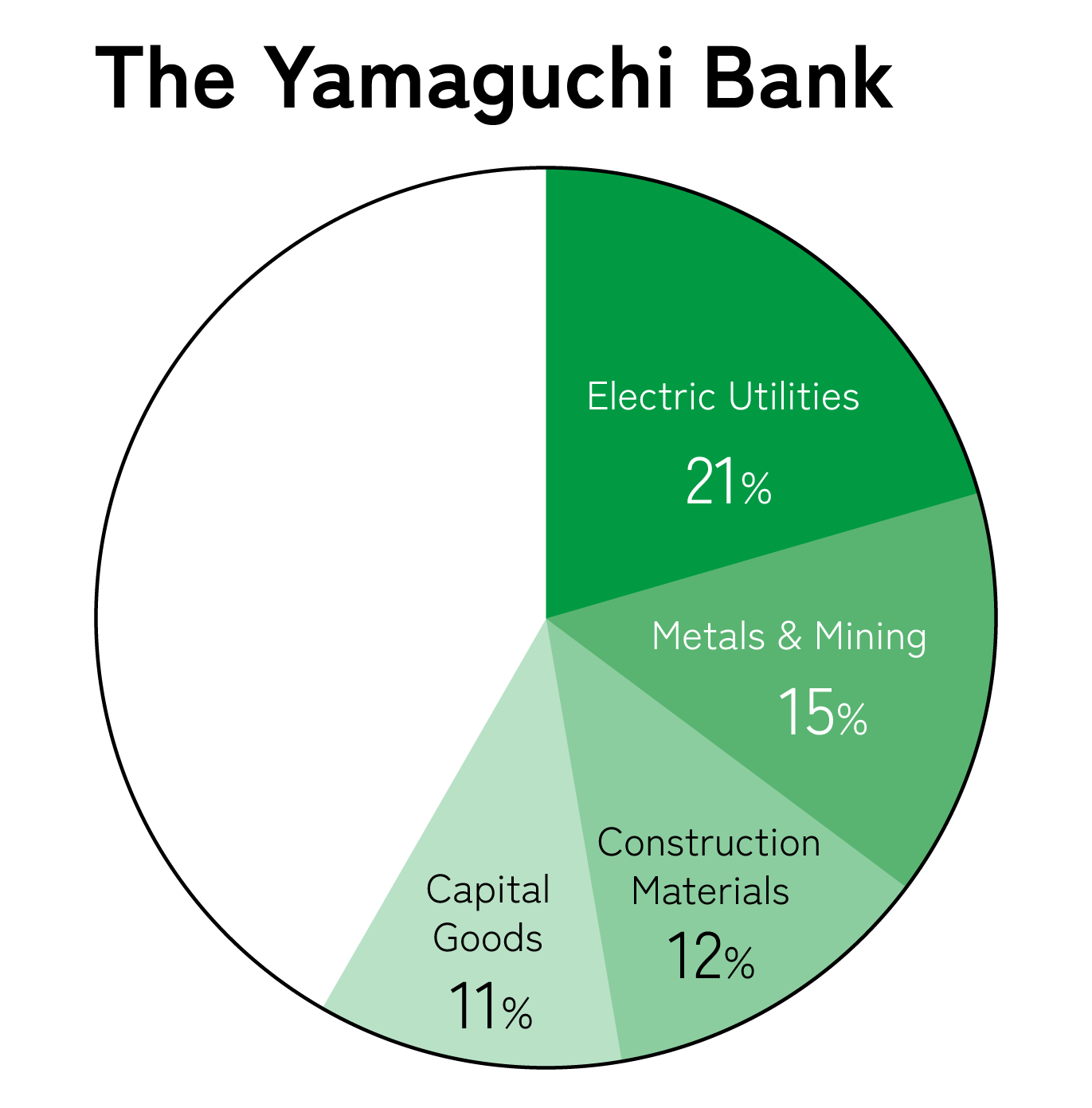
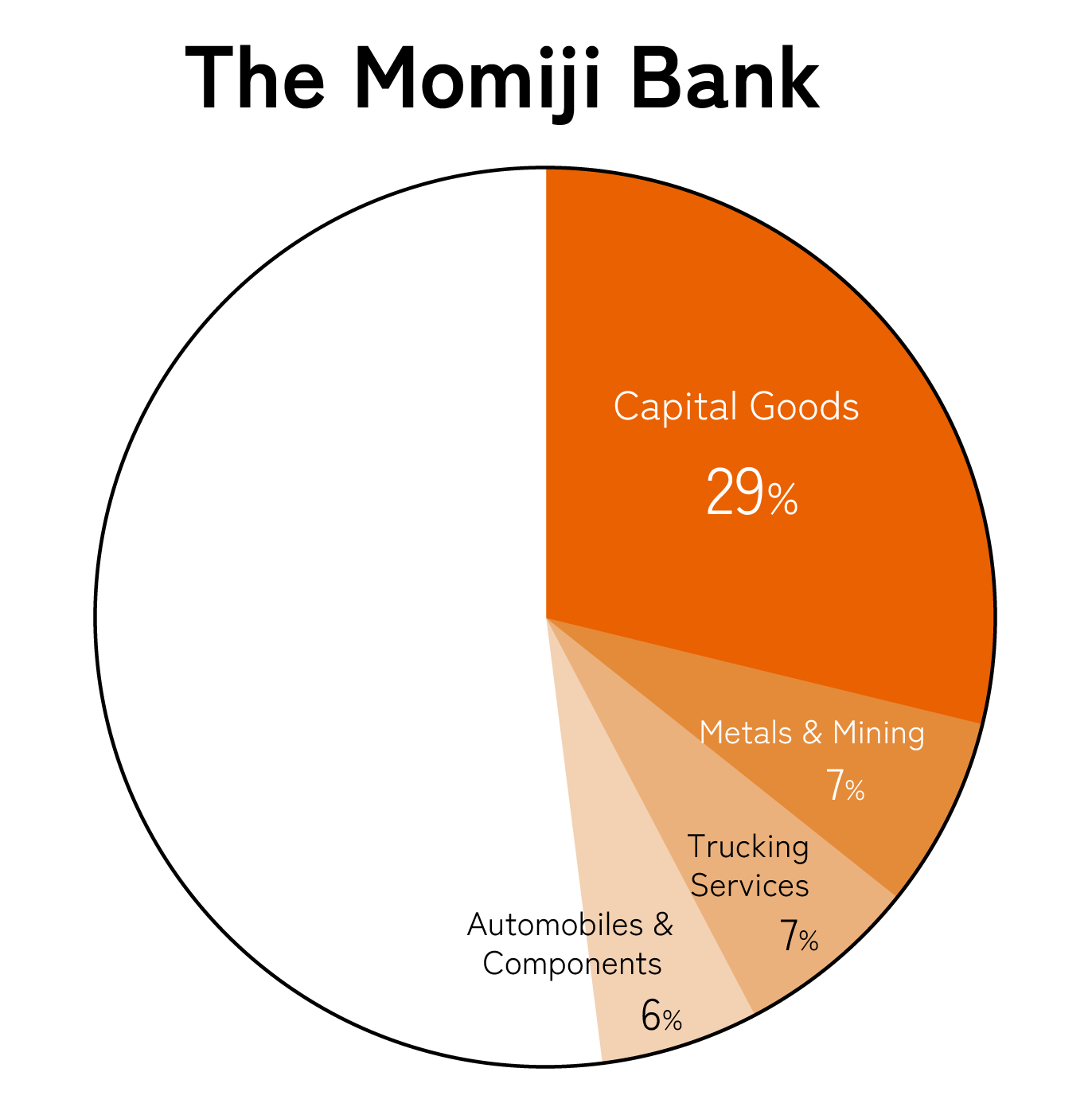
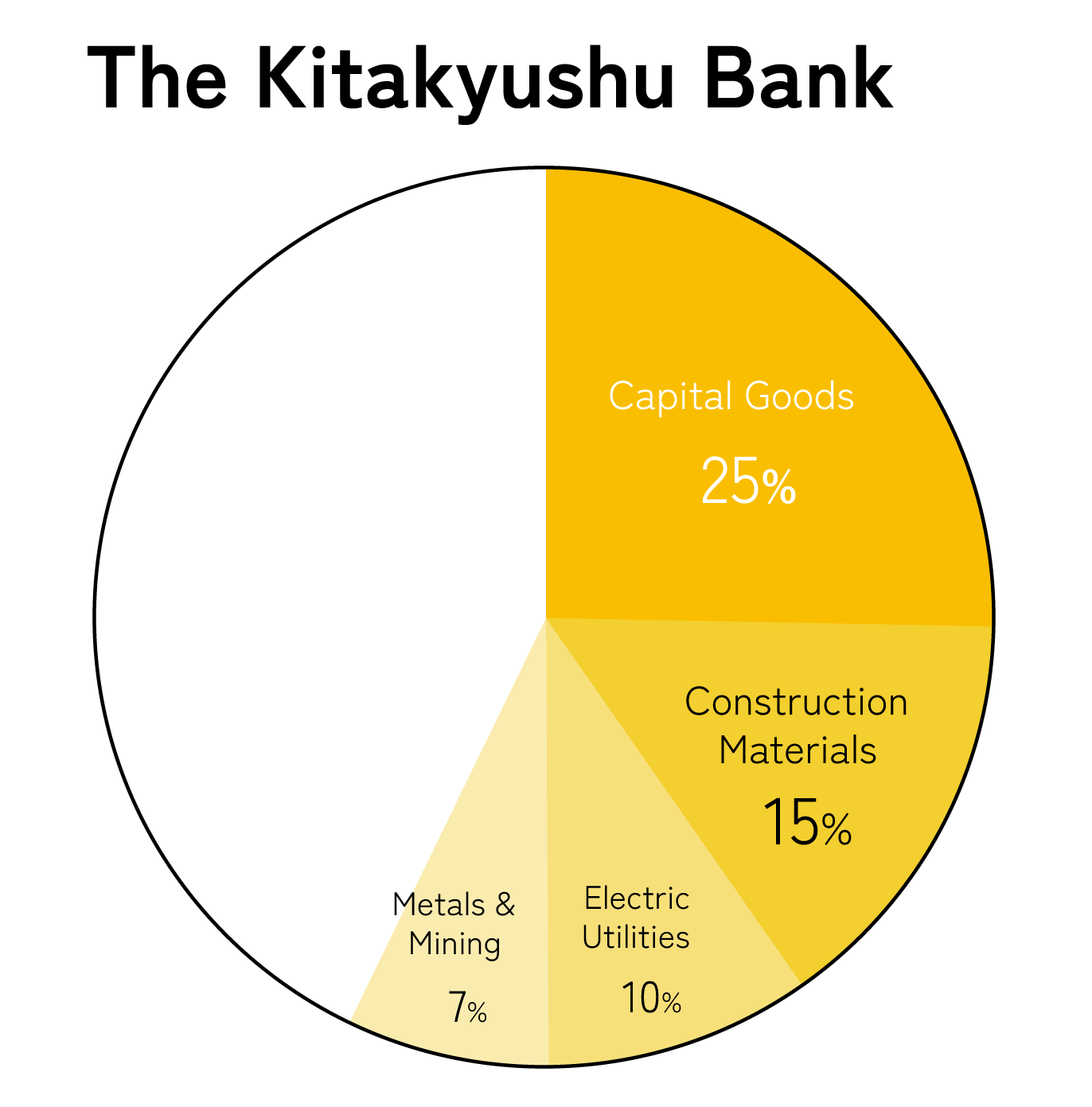
We are working to address environmental and social challenges, including climate change, through sustainable finance.
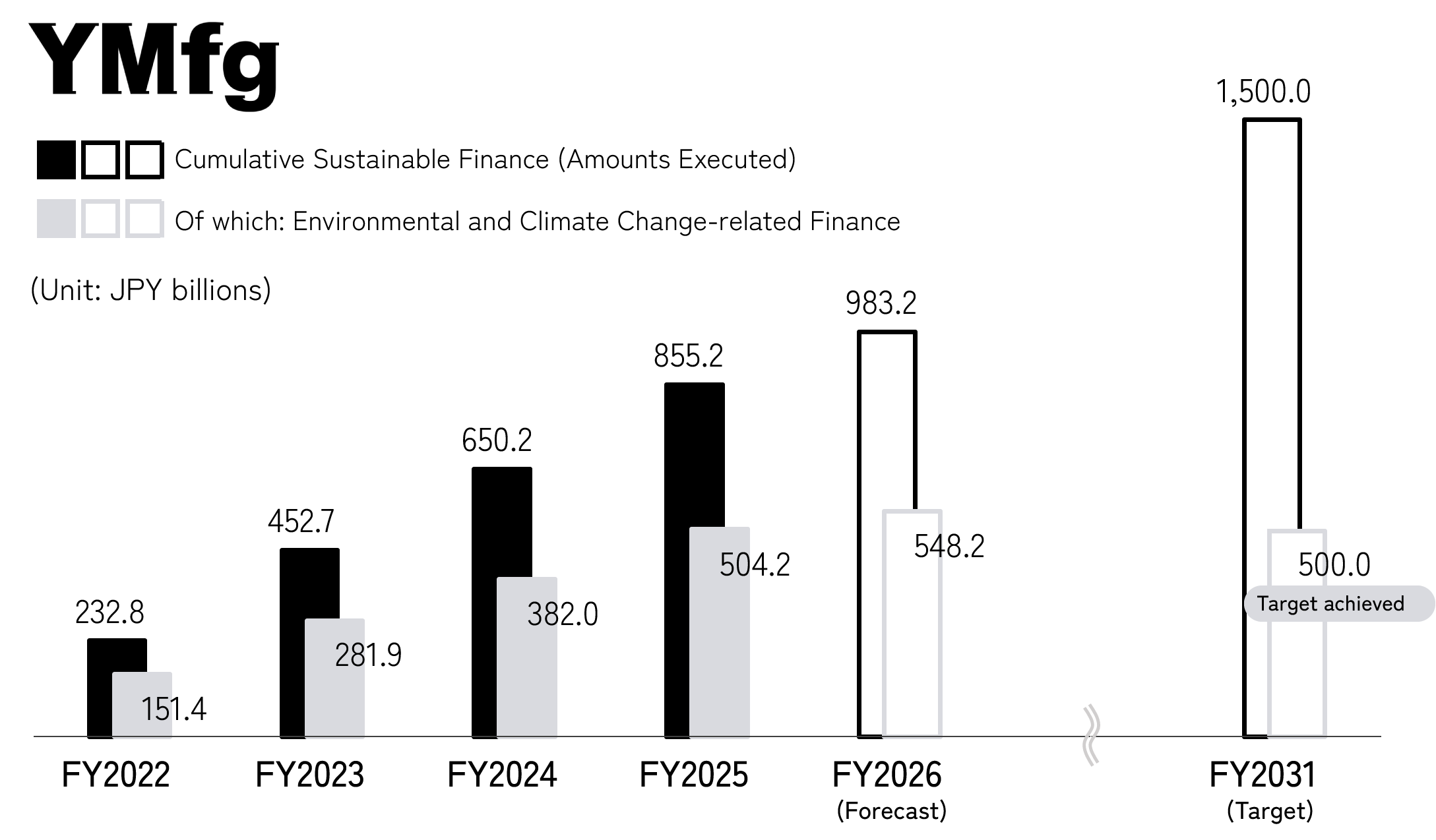
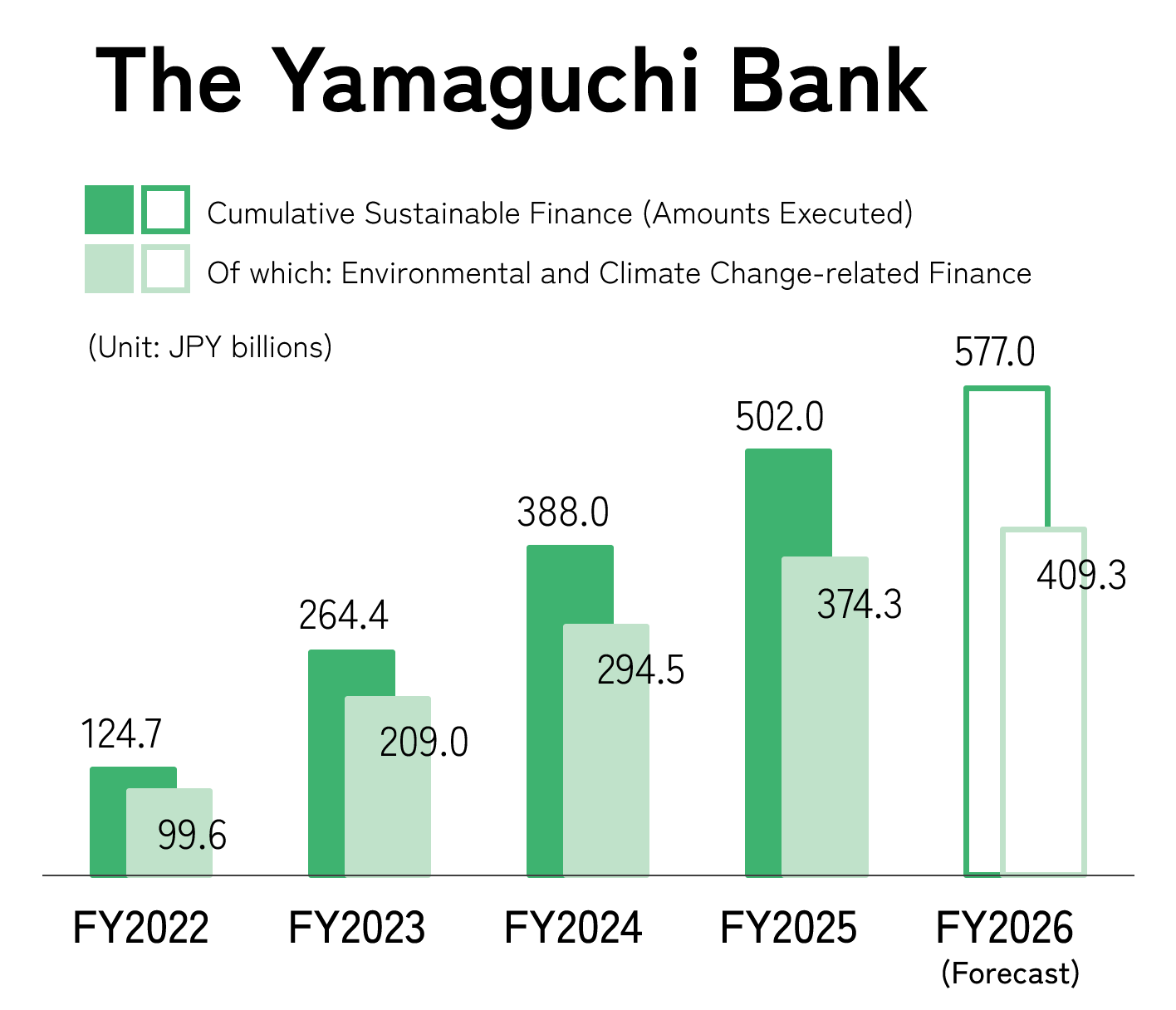
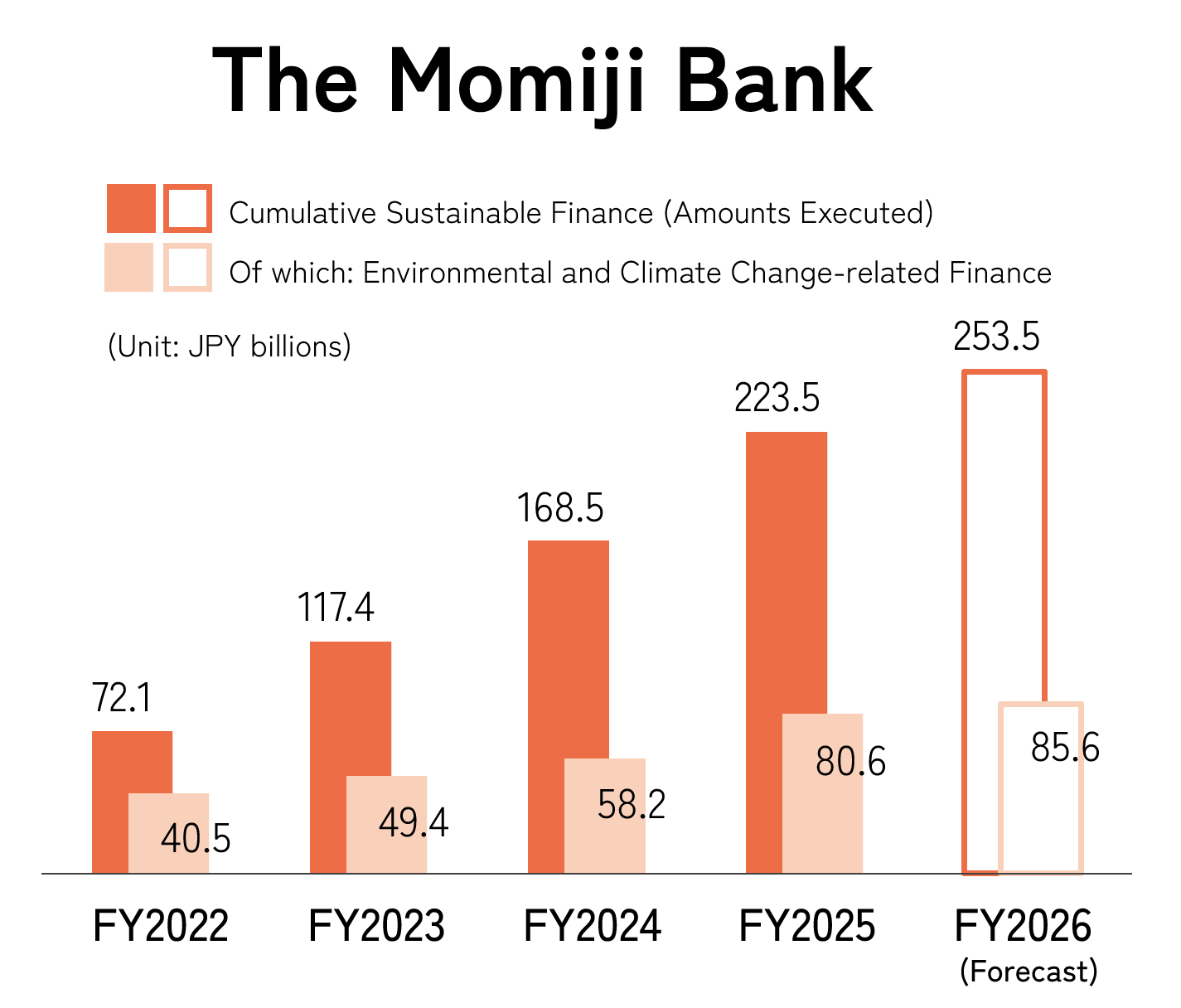
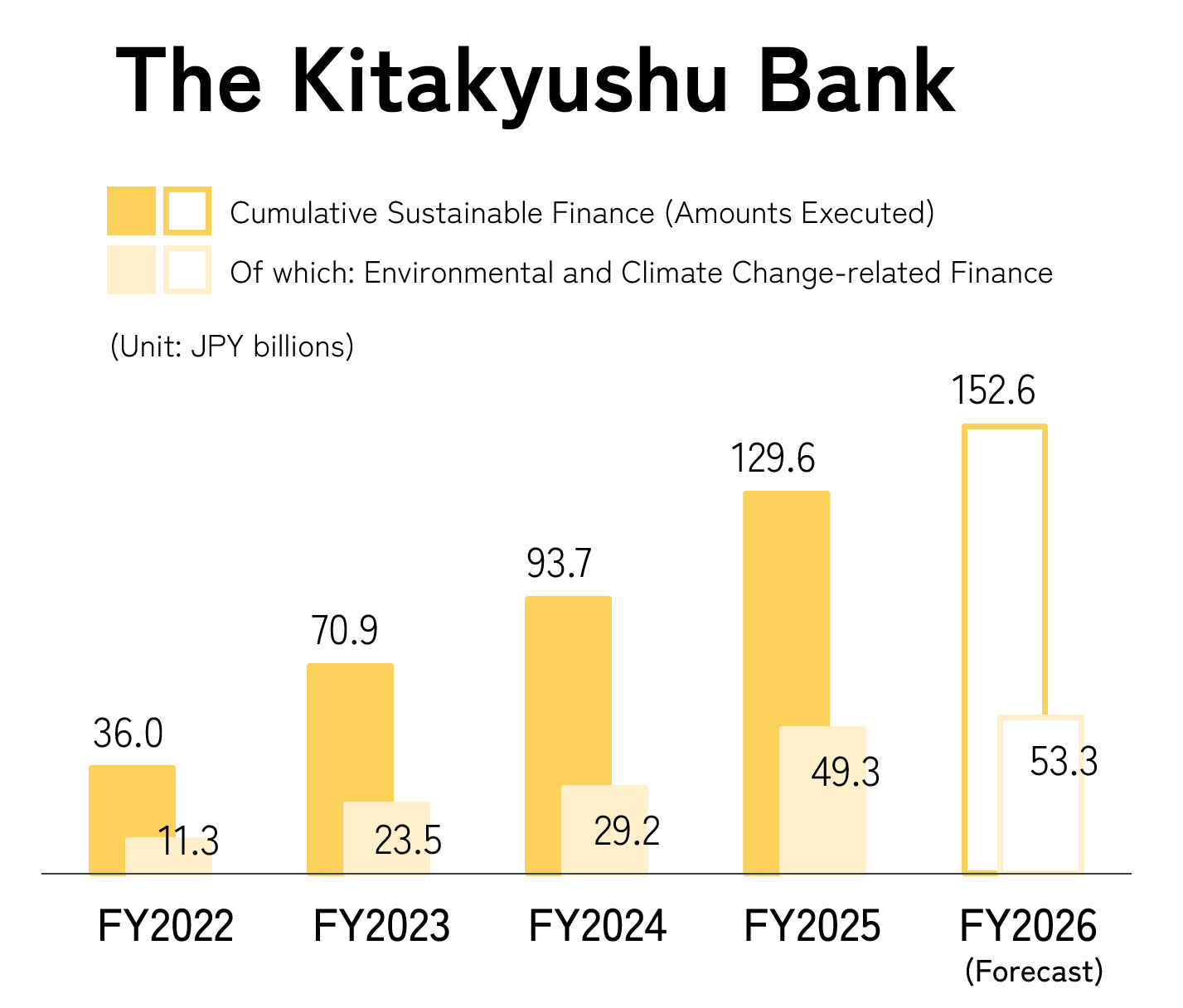
The cumulative amount of sustainable finance contributing to environmental initiatives and climate change mitigation reached JPY 504.2 billion from FY2022 to FY2025, thereby achieving the Group’s long-term target set through FY2031.
We will continue to expand sustainable finance and contribute to the realization of a sustainable society.
Definition of Sustainable Finance
The Group defines sustainable finance as financing and investment that contribute to addressing environmental and social challenges, as well as financing and investment that support customers’ efforts to improve their sustainability performance.
Specifically, financing is classified as sustainable finance if it meets any of the following criteria:
- Products: Private placement bonds (including donation-type and those with BCP support services), sustainability-linked loans*, green loans*, social loans*, and positive impact finance*
- Use of Funds: Renewable energy projects, business start-ups, and business succession financing
- Sectors: Healthcare, nursing care and welfare, and education-related sectors
* Number of sustainable loan transactions executed in FY2025 (loans originated by Group banks only): 7 Sustainability-Linked Loans, 2 Green Loans, 1 Social Loan, and 4 Positive Impact Finance transactions.
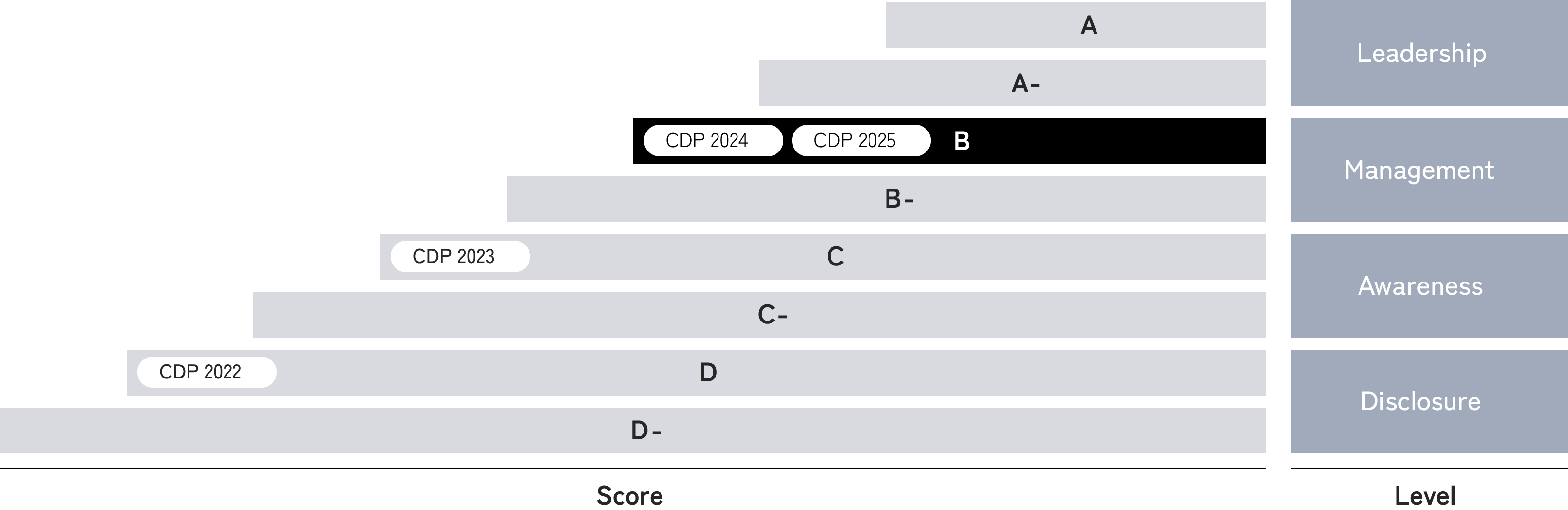
The Group has responded annually to the CDP Climate Change questionnaire since FY2022. CDP is an international non-profit organization focused on environmental disclosure. In 2025, the Group received a “B” score*, the same as in 2024.
- Out of an eight-level scoring system (A, A-, B, B-, C, C-, D, D-), this rating is the third highest. It is classified as “Management” level, indicating that the organization understands its environmental risks and impacts and is taking action to address them.
The Group’s banks—Yamaguchi Bank, Momiji Bank, and Kitakyushu Bank—participate in the “Energy Conservation and Regional Partnership” (the “Partnership”), established by the Agency for Natural Resources and Energy.
The Partnership is a new framework launched by the Agency for Natural Resources and Energy to strengthen collaboration among financial institutions and energy efficiency support organizations, such as entities providing energy efficiency diagnostics. It aims to establish a region-wide support system to promote energy efficiency initiatives among SMEs. More than 200 financial institutions and energy efficiency support organizations participate in the Partnership.
The Group will continue to collaborate with the Agency for Natural Resources and Energy and other participants in the Partnership to support customers’ energy efficiency efforts through information on subsidies and consulting opportunities, including energy efficiency assessments.
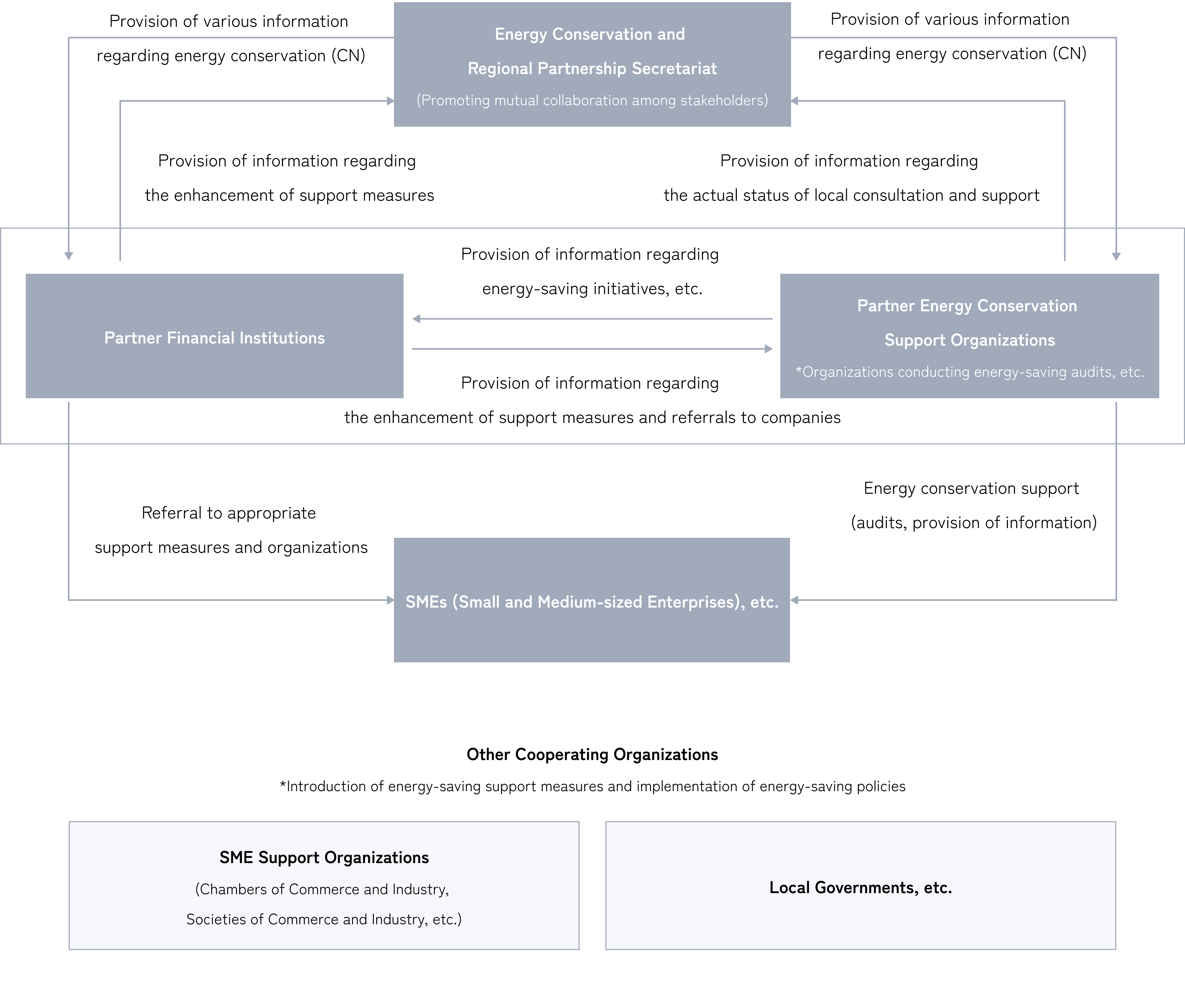
Energy conservation is an important initiative, as it directly contributes to reducing energy costs and represents a first step toward achieving carbon neutrality.
In order to promote energy conservation efforts among small and medium-sized enterprises (SMEs), we will take the following actions, working alongside them as close partners in the community to contribute to the advancement of regional energy conservation:
- We will grasp the actual status of energy conservation initiatives of local SMEs and implement necessary support in an appropriate and continuous manner.
- We will serve as an easily accessible point of contact for local SMEs and respond carefully to consultations regarding energy conservation.
- We will collect information on energy conservation support measures, including energy efficiency diagnostics and support for the introduction of energy-saving equipment, and provide advice and information to local SMEs.
- We will collaborate with other relevant organizations as necessary and consider support measures tailored to the needs of local SMEs.
- In order to effectively carry out these initiatives, we will strive to acquire knowledge related to energy conservation and enhance our proposal capabilities.
We support climate change-related public policies aimed at realizing a decarbonized society and are committed to reducing greenhouse gas (GHG) emissions and energy consumption, as well as improving energy efficiency.
The Group complies with applicable environmental laws and regulations that provide important frameworks for mitigating climate change, including the Act on Promotion of Global Warming Countermeasures and the Act on Rationalizing Energy Use and Shifting to Non-fossil Energy, commonly known as the Energy Conservation Act. We will continue to reduce our environmental impact by monitoring and managing energy consumption and GHG emissions.
The Group’s banks, Yamaguchi Bank, Momiji Bank, and Kitakyushu Bank, are members of the Japanese Bankers Association (JBA).
The JBA has established and published the “Carbon Neutrality Initiative 2026,” which sets out the banking industry’s policies and priorities for achieving carbon neutrality.
The Initiative recognizes that achieving carbon neutrality and net-zero emissions is a major challenge at both the global and national levels and requires coordinated action across the public and private sectors. It also emphasizes the need for the banking industry to work closely with industry, government, and the international community.
As the industry association representing Japan’s banking sector, the JBA is committed to playing an active role in fostering collaboration among these stakeholders and advancing integrated efforts by industry, government, and the financial sector to achieve carbon neutrality and net-zero emissions by 2050 and transition toward a nature-positive and circular economy.