The Group has established its Purpose as the foundation of all business activities. We aim to transform our organizational culture by creating an environment where employees can thrive, grow, and find fulfillment in their work. As one unified Group, we are committed to maximizing value for local communities and customers while creating new value for the future.
The Group has identified “Human Resource Development and the Creation of Training Opportunities,” “the Creation of a Safe and Secure Working Environment,” and “the Promotion of Diverse Talent” as material issues. We recognize human capital management and the promotion of diversity as key management priorities.
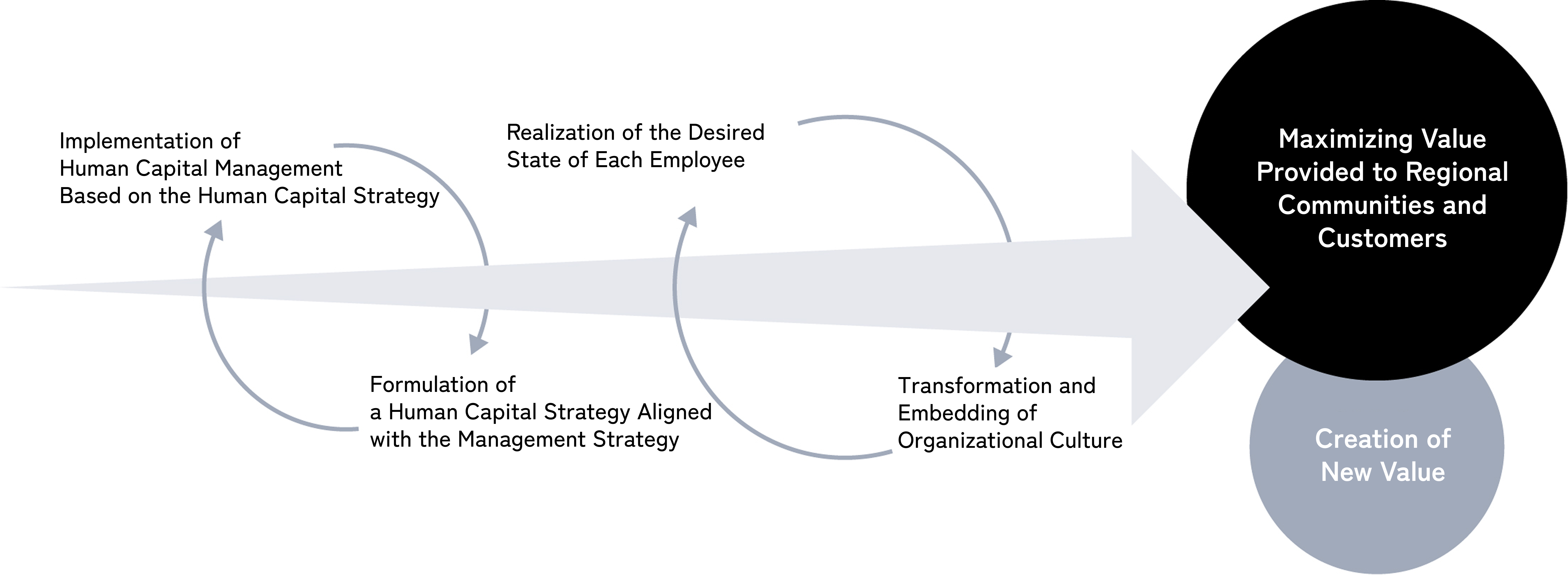
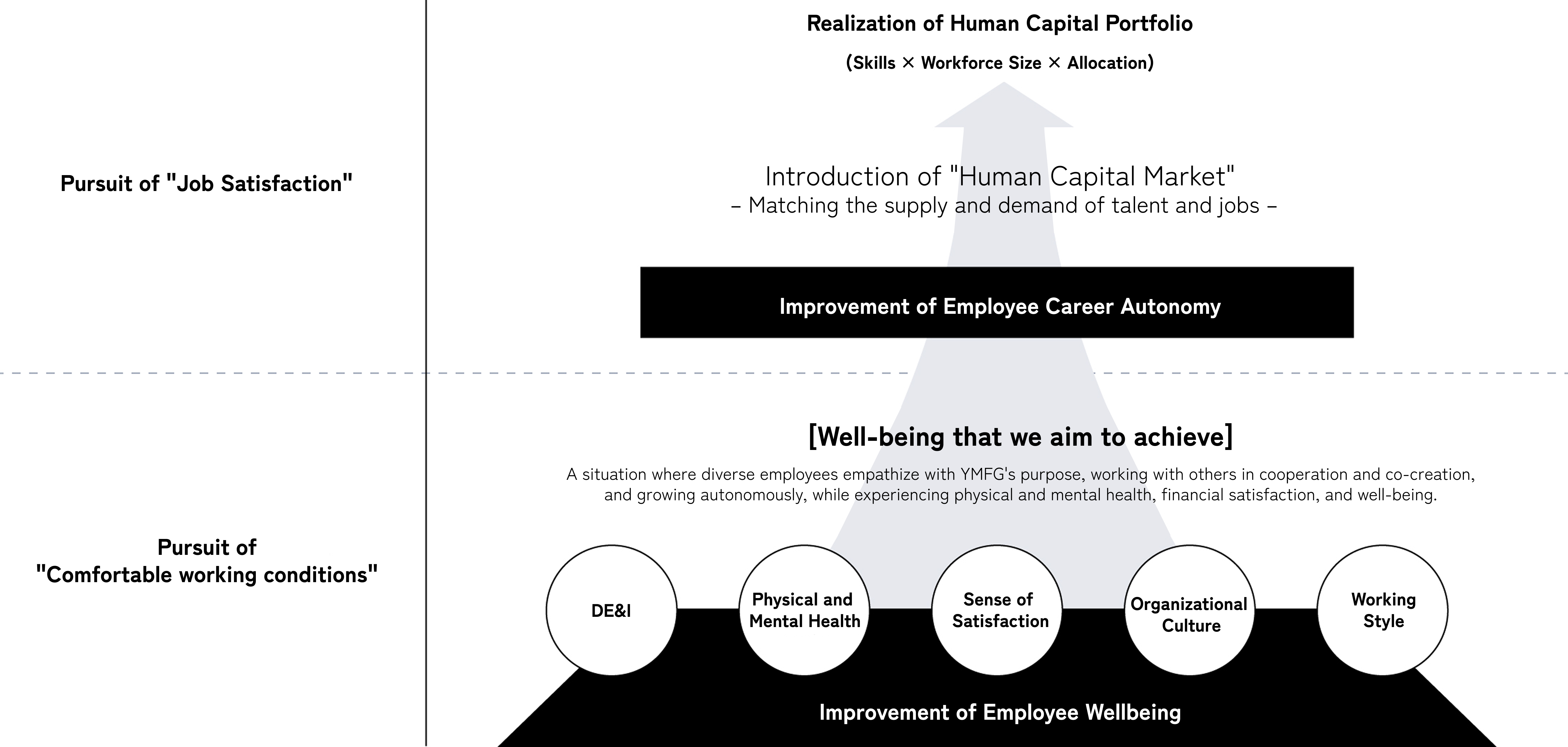
Under the “YMFG Medium-Term Management Plan (FY2025–FY2029),” launched in FY2025, the Group has formulated a human capital management strategy aligned with its business strategy. By pursuing both employee job satisfaction and comfortable working conditions, we aim to ensure a well-balanced talent portfolio within the organization to support the execution of our business strategy.
Under this strategy, we have set “Enhancing Employees’ Career Autonomy” as a key theme for improving job satisfaction, and “Enhancing Employee Well-Being” as a key theme for enhancing comfortable working conditions. Based on the core initiatives under each theme, we will promote a range of related measures.
We believe that continuous, self-directed learning by each employee enhances expertise and enables the delivery of greater value to our customers. Based on this belief, we are fostering a corporate culture that encourages self-development.
To achieve this, we are creating an environment where employees can recognize their own development needs and proactively choose and pursue the learning they require. We offer learning opportunities tailored to different roles and skill levels, and provide online learning services accessible to all employees, enabling flexible learning regardless of time or location.
Going forward, we will standardize foundational knowledge through online learning and shift training programs—both in-person and online—toward more practical, application-oriented content. Through these efforts, we aim to strengthen the link between learning and day-to-day work.
Overview of Investment in Training and Development
|
FY2021 |
FY2022 |
FY2023 |
FY2024 |
FY2025 |
|
|
Total Investment in Training and Development |
70 million yen |
143 million yen |
220 million yen |
154 million yen |
254 million yen |
|
Total Training Hours (Employee Development Training) |
Approx. 35,900 hours |
Approx. 36,900 hours |
Approx. 55,900 hours |
Approx. 69,700 hours |
Approx. 79,700 hours |
|
Total Number of Participants (Cumulative) |
Approx. 4,200 people |
Approx. 5,500 people |
Approx. 8,700 people |
Approx. 9,400 people |
Approx. 9,200 people |
Major Training Programs (FY2025)
|
Focus Area / Target Audience |
Objective |
Key Training Programs |
|
Corporate Area |
|
|
|
Growth Strategy Area |
|
|
|
Business Portfolio Area |
|
|
|
All Employees |
|
|
We are creating an environment that enables each employee to take ownership of their career path and proactively pursue their career goals. To support this, we leverage a talent management system to visualize employees’ skills and experience, enabling them to understand their current position and identify areas for growth. In addition, we provide opportunities for employees to choose their own career paths by establishing a “specialist career track” for those seeking to advance in specific fields, as well as implementing an internal job posting system that allows head office departments and Group companies to recruit motivated employees.
Going forward, we will continue to clearly present career models, required skills, and relevant internal and external training programs, with the aim of enabling employees to take autonomous action while forming a concrete vision of their future careers.
The Group has also introduced a feature in its talent management system that enables employees to record and share their external activities.
By making diverse external activities, including financial education initiatives, community contribution activities, participation in business seminars, and networking events, visible across the Group, we support employees in taking ownership of their career development while fostering organizational learning and vitality.
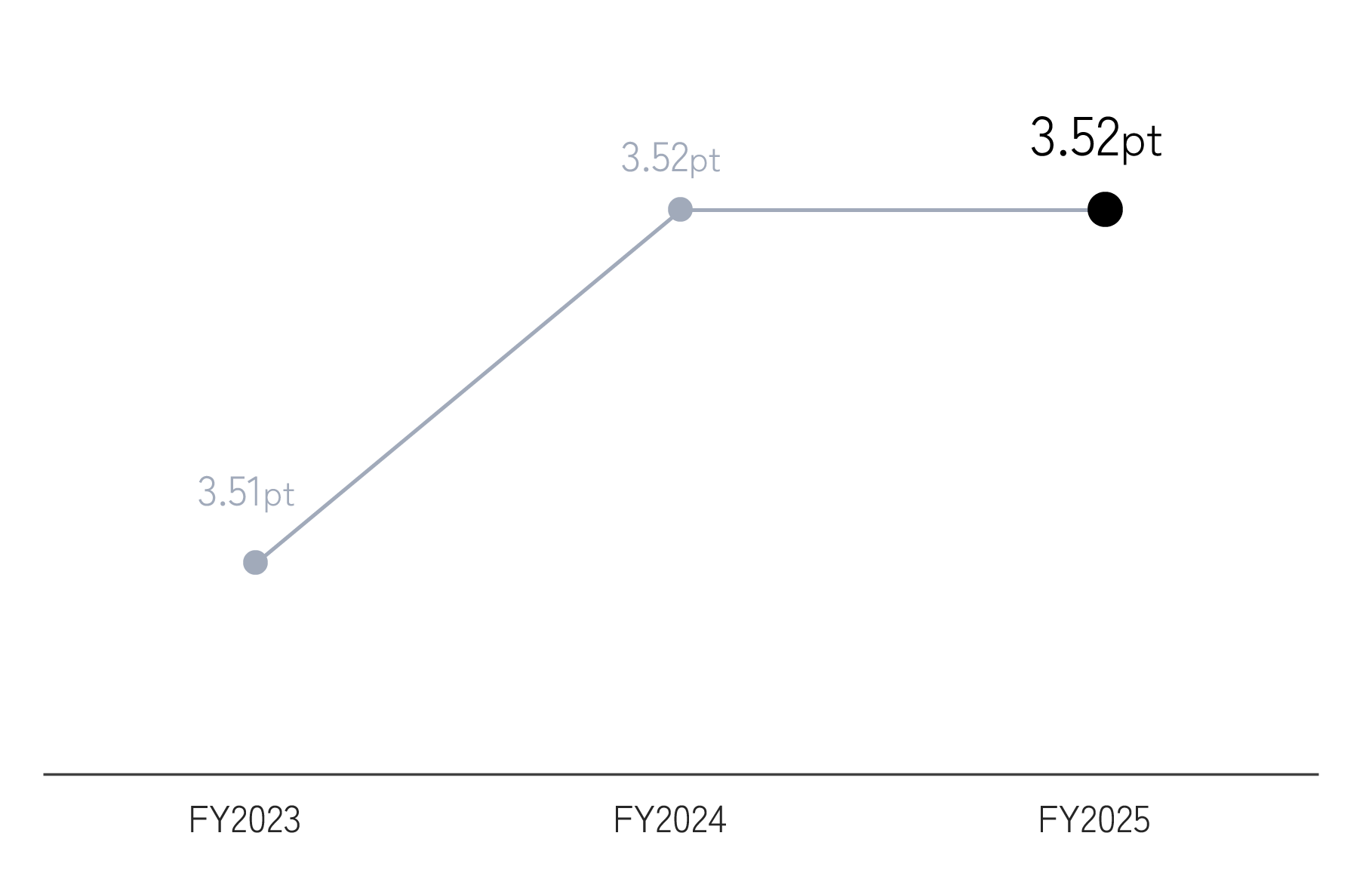
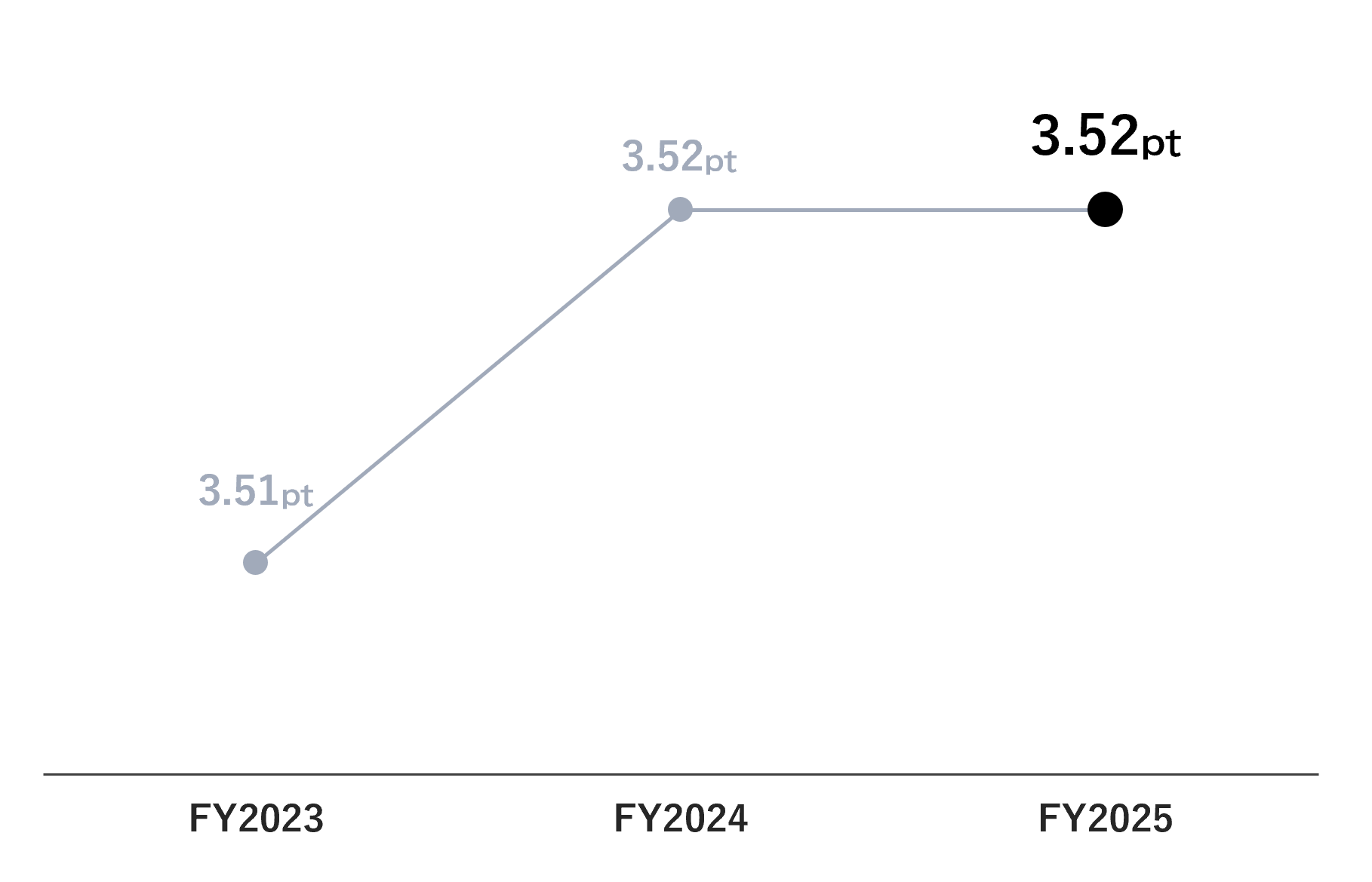
To monitor employees’ progress toward greater career autonomy, we conduct an annual survey to track changes in their learning behaviors and motivation for career development. Based on the results, we identify key issues and use these insights to continuously review and enhance our initiatives.
Employee Career Autonomy (Score*)
- Evaluated on a scale of up to 5.00 points
Employee Career Autonomy (Score*)
- Evaluated on a scale of up to 5.00 points
As part of our efforts to create opportunities for employees to take on new challenges, we offer “YMFG Growth,” a program that enables employees to bring their own business ideas to life with intensive, hands-on support from external experts.
By taking on the challenge of developing new businesses, participants strengthen their creativity, while the program helps foster an organizational culture that continuously creates new value.
In FY2025, as YMFG Growth entered its fifth year, we also launched “Growth Journey,” a program designed to help younger employees develop the skills and mindset needed for new business development. The program aims to lower the barriers to taking on new challenges and make it easier for younger employees to take their first step.
|
FY2021 |
FY2022 |
FY2023 |
FY2024 |
FY2025 |
|
|
Number of Participants |
142 people |
133 people |
110 people |
195 people |
231 people (Growth: 145, Journey: 86) |
|
Number of Business Plan Submissions |
92 submissions |
71 submissions |
56 submissions |
102 submissions |
182 submissions (Growth: 81, Journey: 101) |
We are strengthening management capabilities and developing systems to support management practices. This enables the implementation of human capital management at the workplace level and helps enhance employees’ job satisfaction.
Specifically, we offer tiered management training programs tailored to different organizational levels. We also implement initiatives such as “1-on-1 meetings” to strengthen dialogue and active listening, “360-degree feedback” programs to promote behavioral change, and “unconscious bias training” to address unconscious assumptions and biases.
In addition, we are developing a framework in which supervisors can utilize a talent management system to gain a comprehensive understanding of their team members’ skills, career aspirations, and engagement levels at each workplace, enabling them to provide appropriate support and development tailored to individual needs.
We offer the “Junior Board Program” to develop future management talent, foster a greater sense of participation in management among early- and mid-career employees, and strengthen the decision-making capabilities required of future leaders.
Program members are selected through open applications and nominations. They discuss matters scheduled for deliberation by the Group Management Executive Committee, engage in simulated decision-making, and formulate recommendations. Through these activities, members develop their strategic thinking and decision-making skills. Each member serves a one-year term.
We aim to create an environment where every employee can fully realize their potential, regardless of gender, age, career background, or other individual attributes. To this end, we continuously implement initiatives to promote the active participation of diverse talent, including enhancing understanding of DE&I, recruiting and promoting diverse talent, and providing equitable opportunities for career development.
By increasing employees’ awareness and understanding of DE&I, we aim to build an organization in which diversity is actively leveraged across workplaces and among employees. At the same time, we strive to become a leading company that drives the promotion of DE&I in our communities.
Percentage of Diverse Talent* in Management Positions
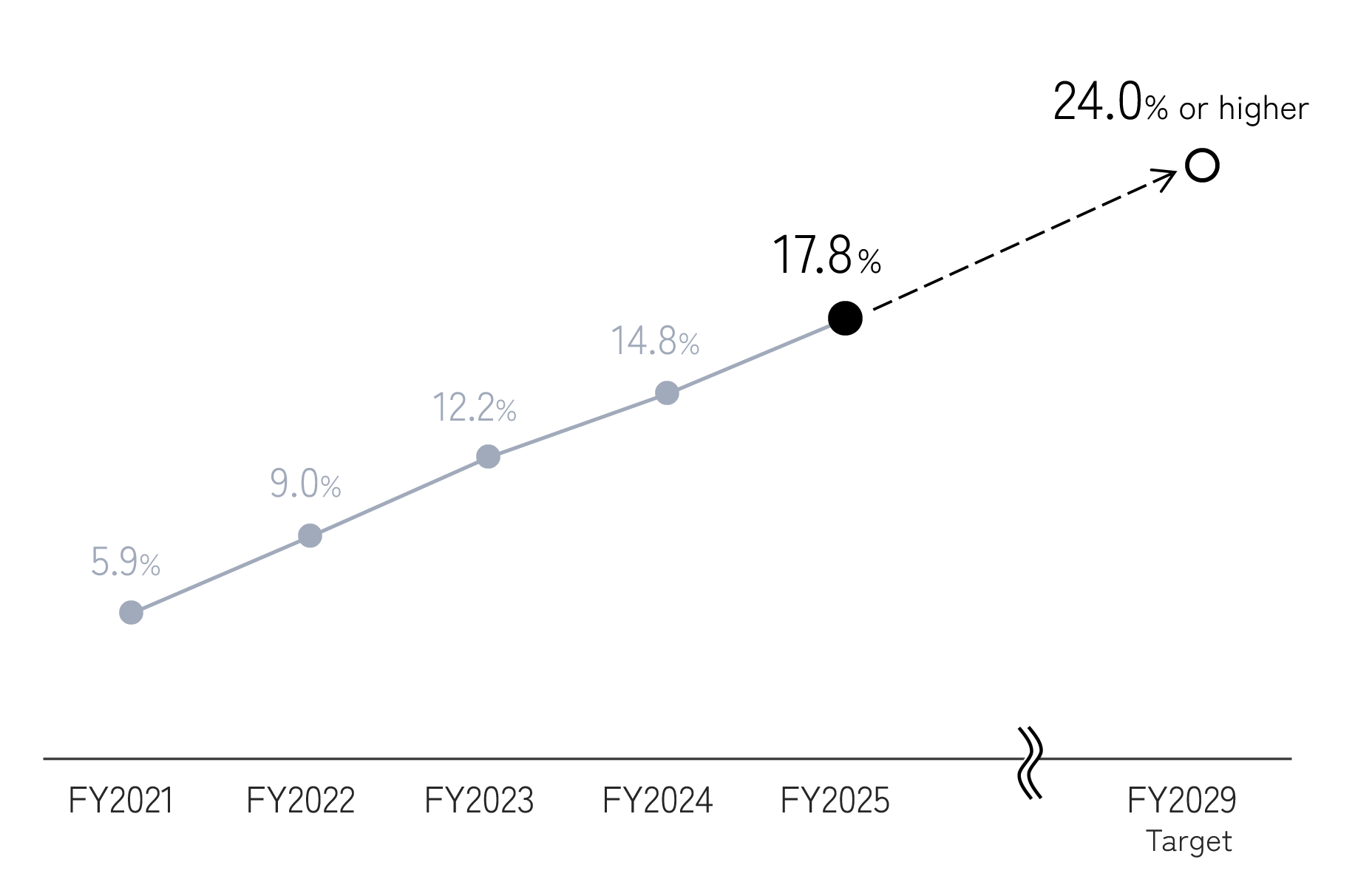
- Diverse talent: Female employees, non-Japanese employees, experienced hires (including mid-career and alumni), employees engaged in side jobs, and employees with external secondment experience.
Number of Experienced Hires
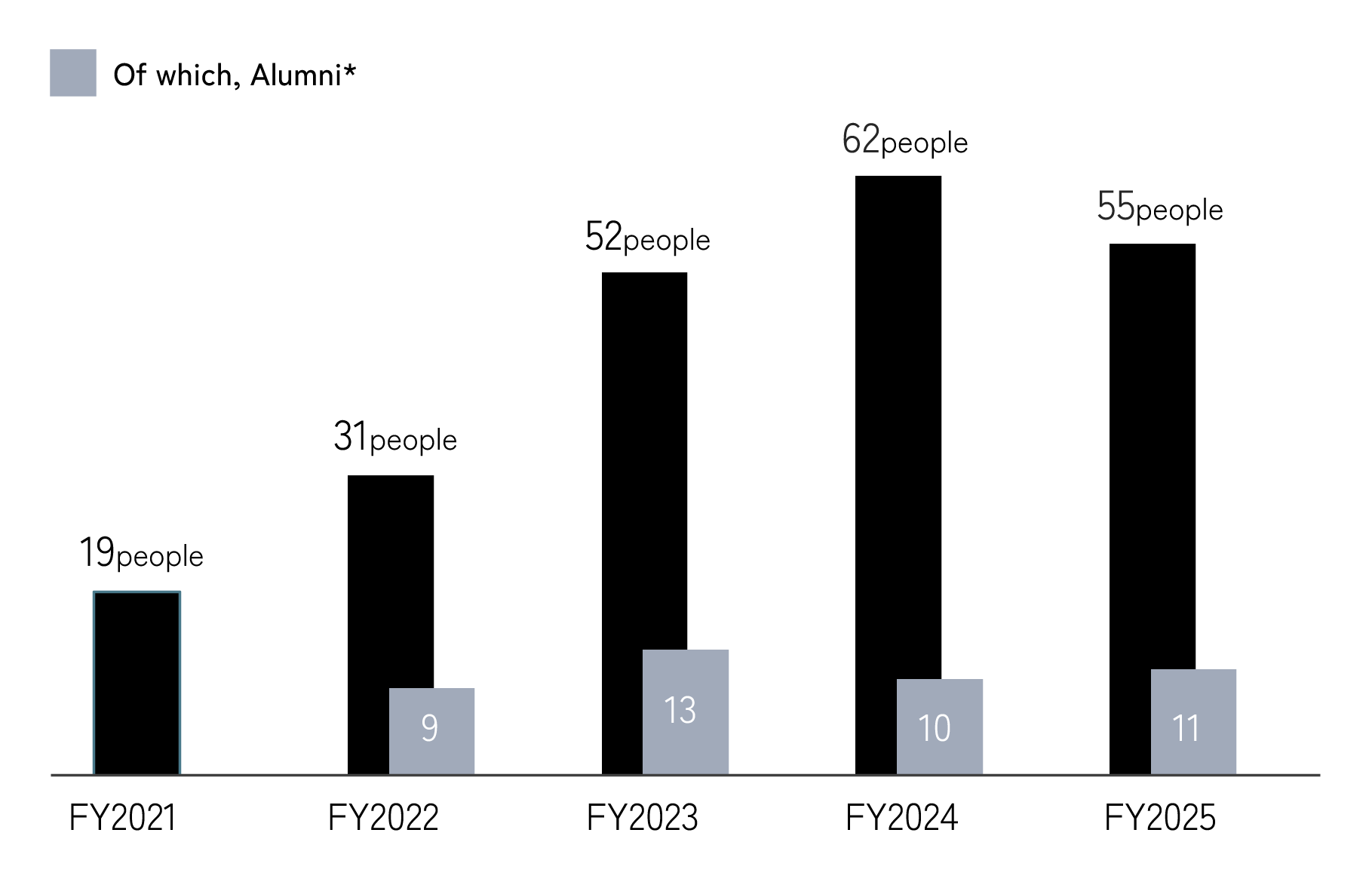
- Alumni: Employees who left the Group and were rehired (alumni hiring has been in place since December 2021).
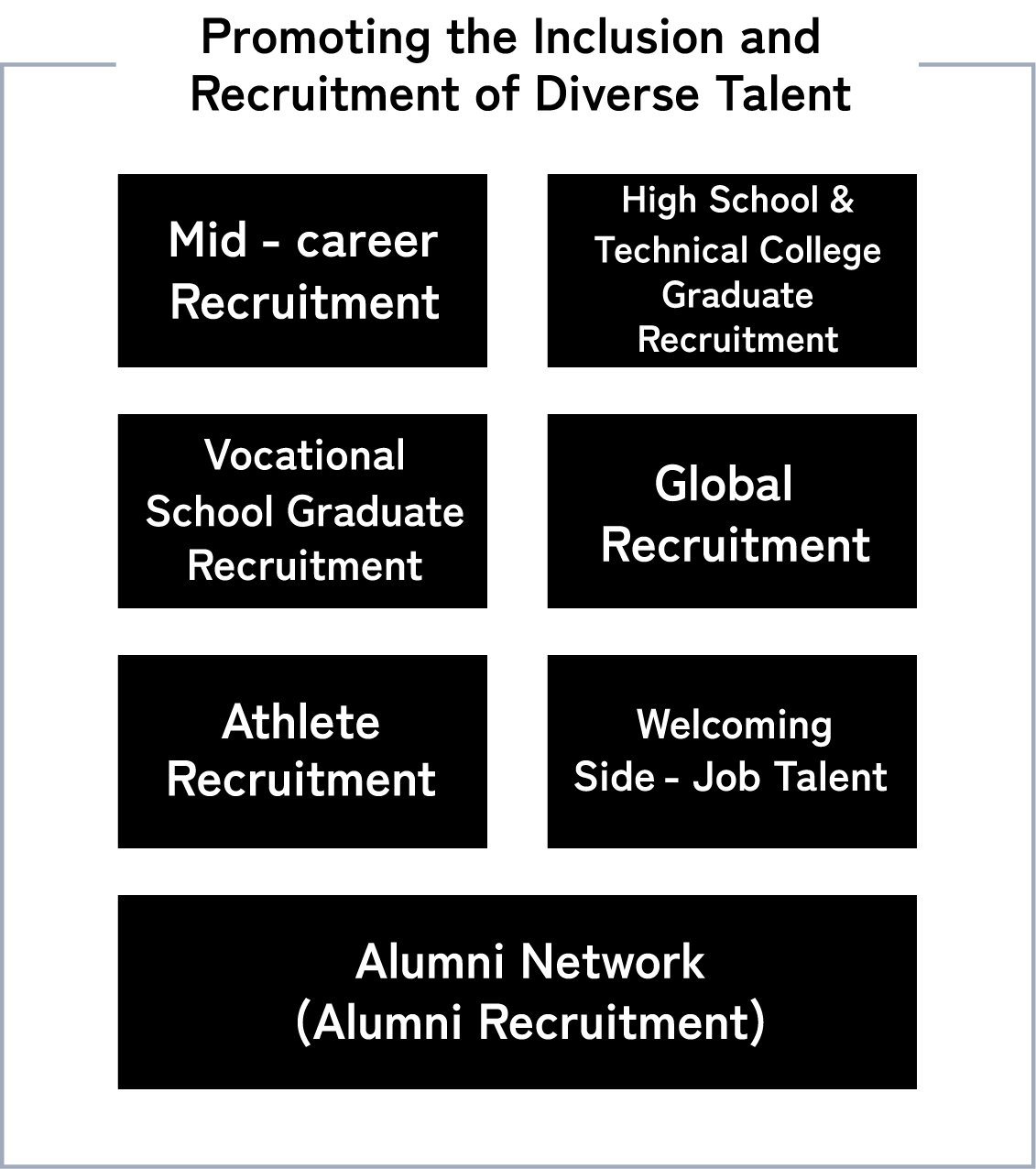
To leverage diversity as a source of organizational strength, the Group places importance on ensuring diversity from the recruitment stage by expanding recruitment channels beyond traditional new graduate and mid-career hiring. We are also broadening opportunities for diverse talent to participate in the Group, including by accepting individuals engaged in side businesses.

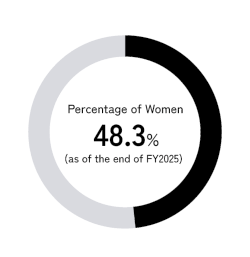
1. Promoting Women’s Empowerment
We position the expansion of opportunities for female employees—who account for approximately half of our workforce—as one of our key management priorities.
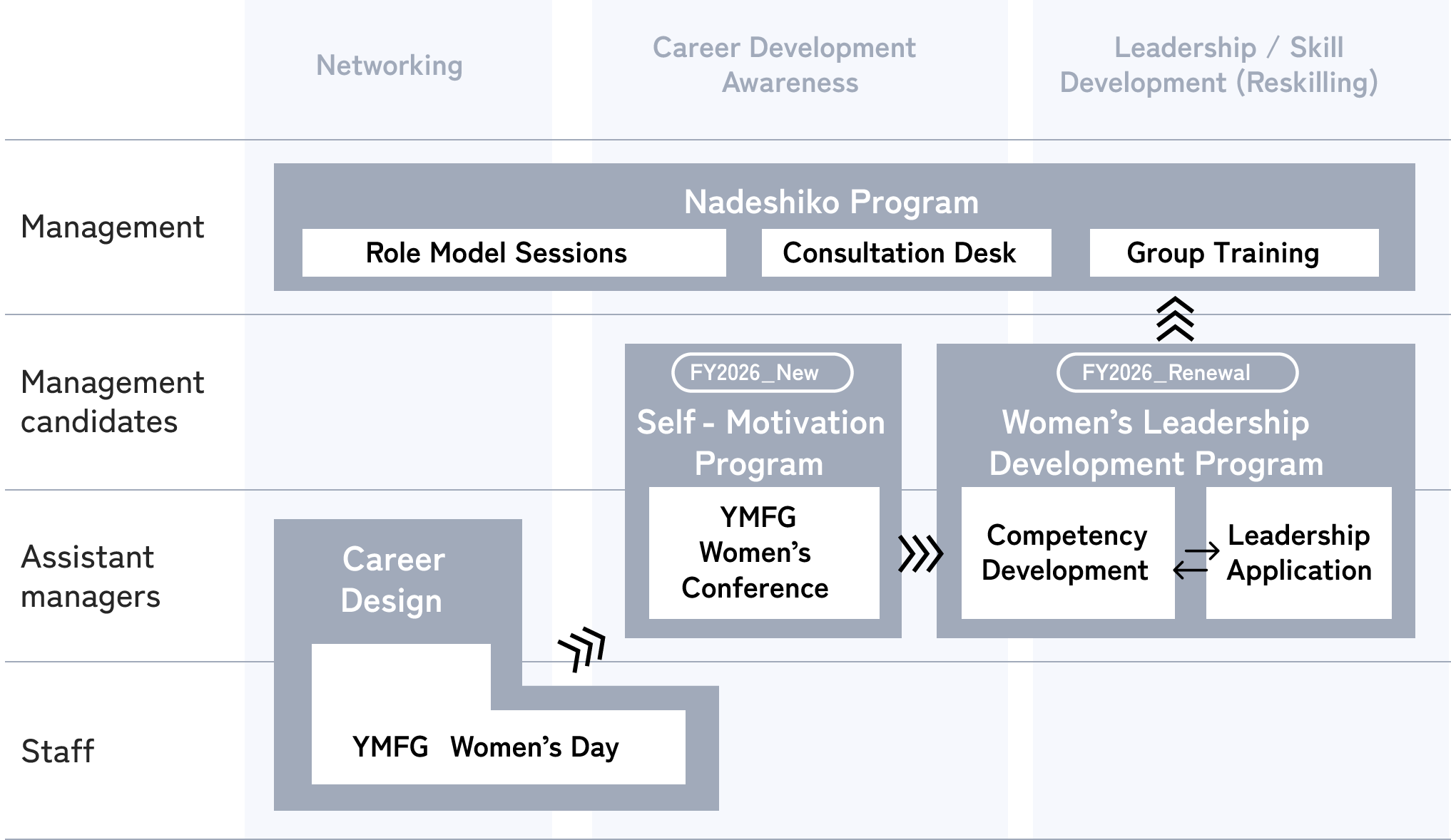
To expand our talent pool for future management positions, we implement initiatives tailored to different career stages and objectives. These include “YMFG Women’s Day*,” a career development event for female employees below the managerial level, leadership training programs designed to accelerate the development of female leaders, and “Nadeshiko Program,” a networking community for women in managerial positions.
Since FY2024, we have continued an initiative to assign all newly hired employees at branch offices to corporate sales roles to address gender gaps among younger employees at an early stage.
- YMFG Women’s Day: An in-person event designed to support women’s career development and facilitate networking among employees seeking career advancement. The program features roundtable discussions with the President and CEO and other executive officers, as well as dialogue sessions with women role models.
Percentage of Women by Job Level (as of the End of FY2025) and Related Programs
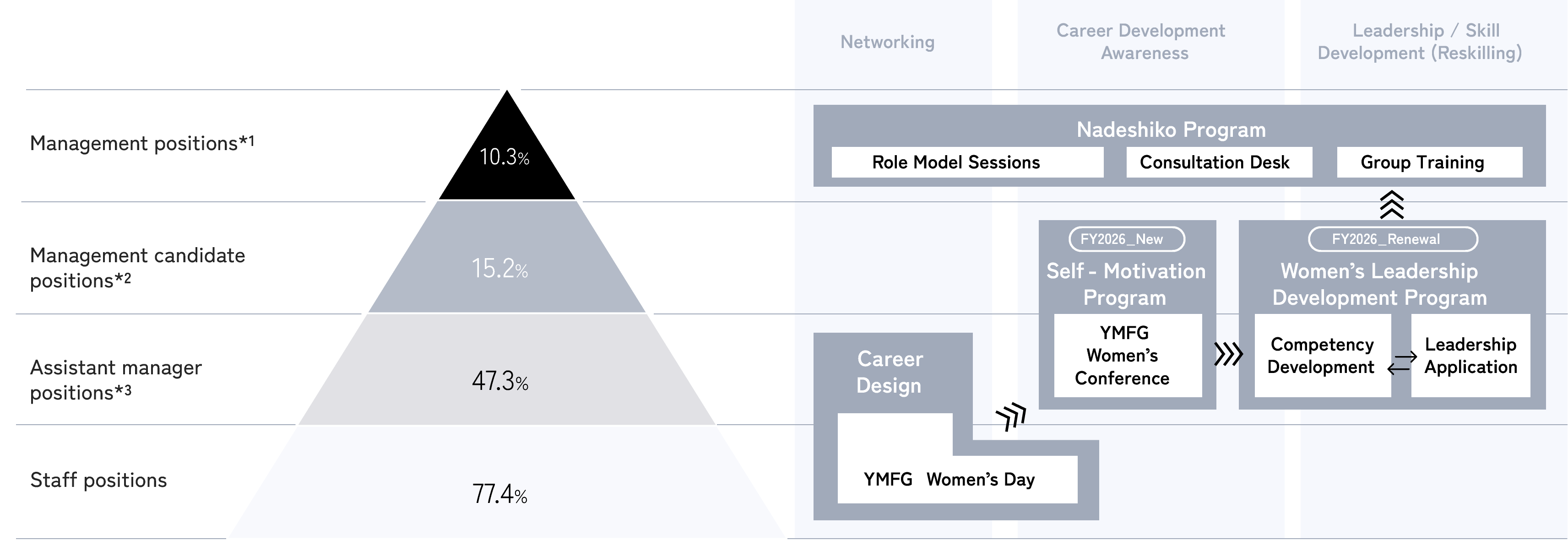
- Managerial positions: employees classified as “managerial or supervisory employees” under the Labor Standards Act, as well as those with equivalent authority (e.g., General Managers, Deputy General Managers, Assistant General Managers, and Managers).
- Managerial candidate positions: Employees one level below managerial positions (e.g., Deputy Managers).
- Assistant manager positions: Employees one level below managerial candidate positions.
Percentage of Women by Job Level (as of the End of FY2025)
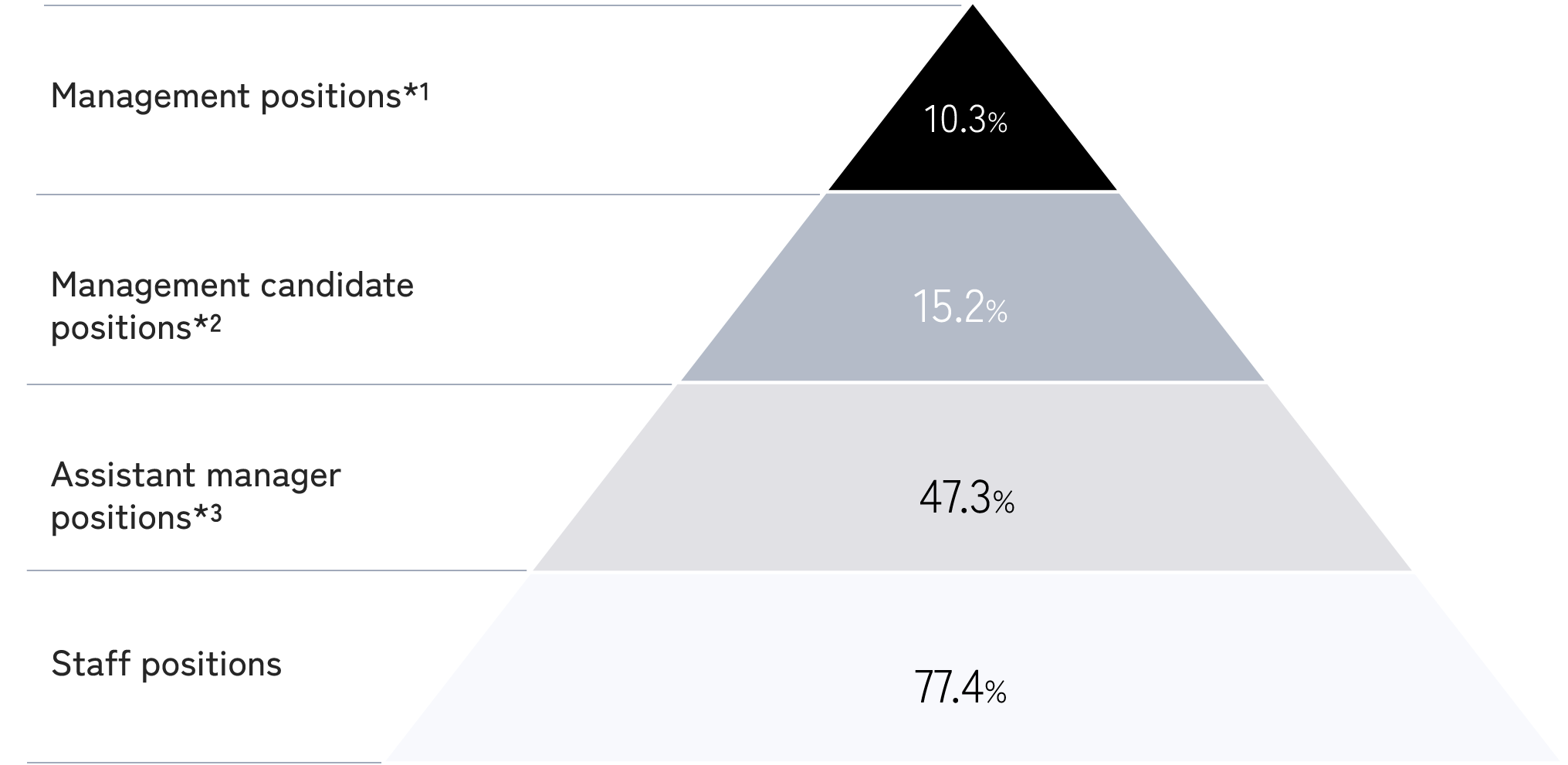
- Managerial positions: employees classified as “managerial or supervisory employees” under the Labor Standards Act, as well as those with equivalent authority (e.g., General Managers, Deputy General Managers, Assistant General Managers, and Managers).
- Managerial candidate positions: Employees one level below managerial positions (e.g., Deputy Managers).
- Assistant manager positions: Employees one level below managerial candidate positions.
Related Programs by Job Level
The Group has received the “Eruboshi” certification (Second Level), awarded by the Minister of Health, Labour and Welfare to companies recognized for excellence in promoting women’s empowerment under Japan’s Act on Promotion of Women’s Participation and Advancement in the Workplace.
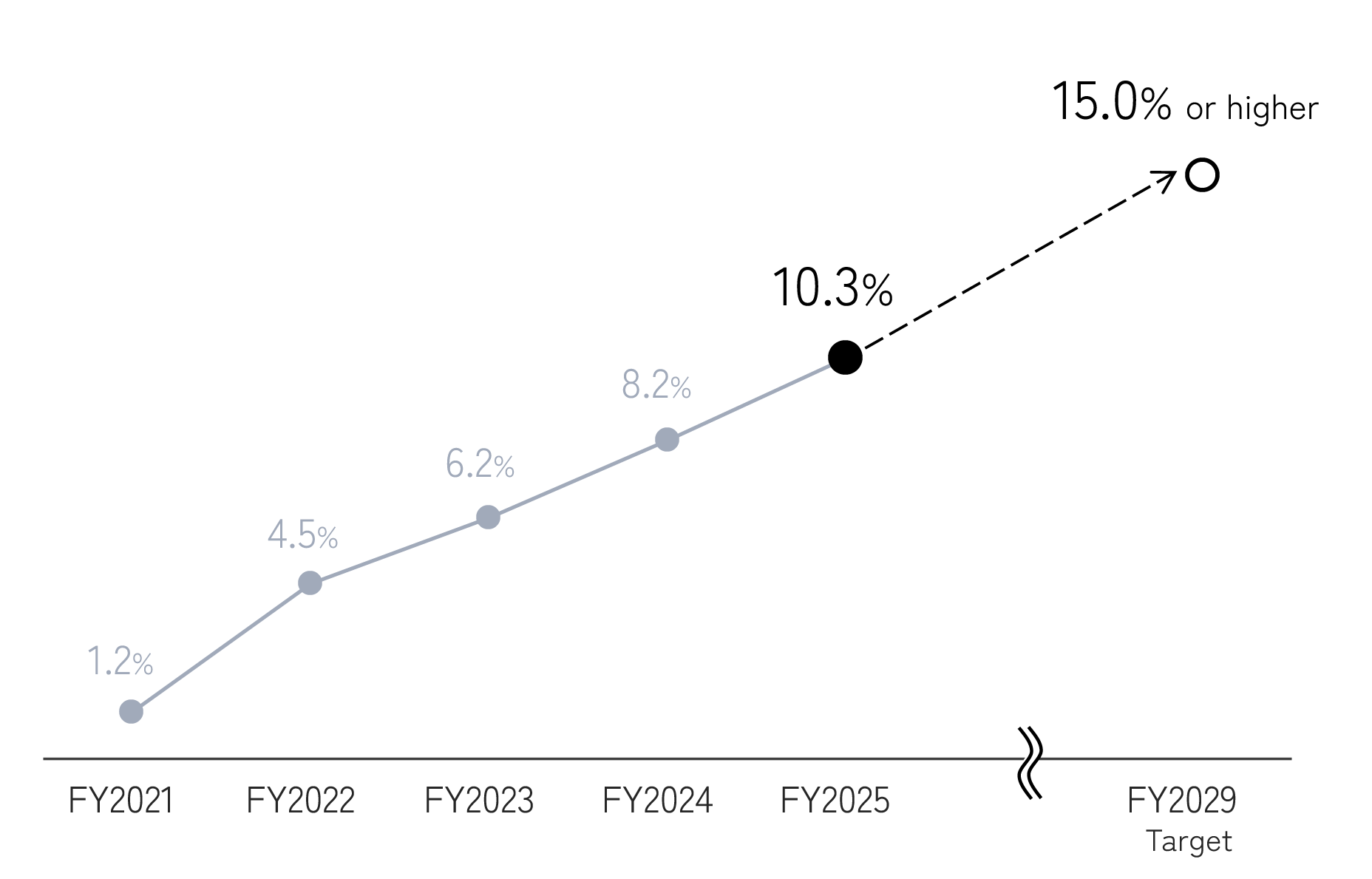
The Group has set a target of achieving a ratio of 15.0% or more of women in managerial positions by the end of March 2030.
We are also working to support the development of female leaders through mentoring by executives and other senior leaders for women employees in leadership roles (managerial candidate positions and assistant manager positions), as well as by creating opportunities for dialogue between female managers serving as role models and younger employees.
Percentage of Women in Management Positions
Percentage of Women Promoted to Leadership Roles*
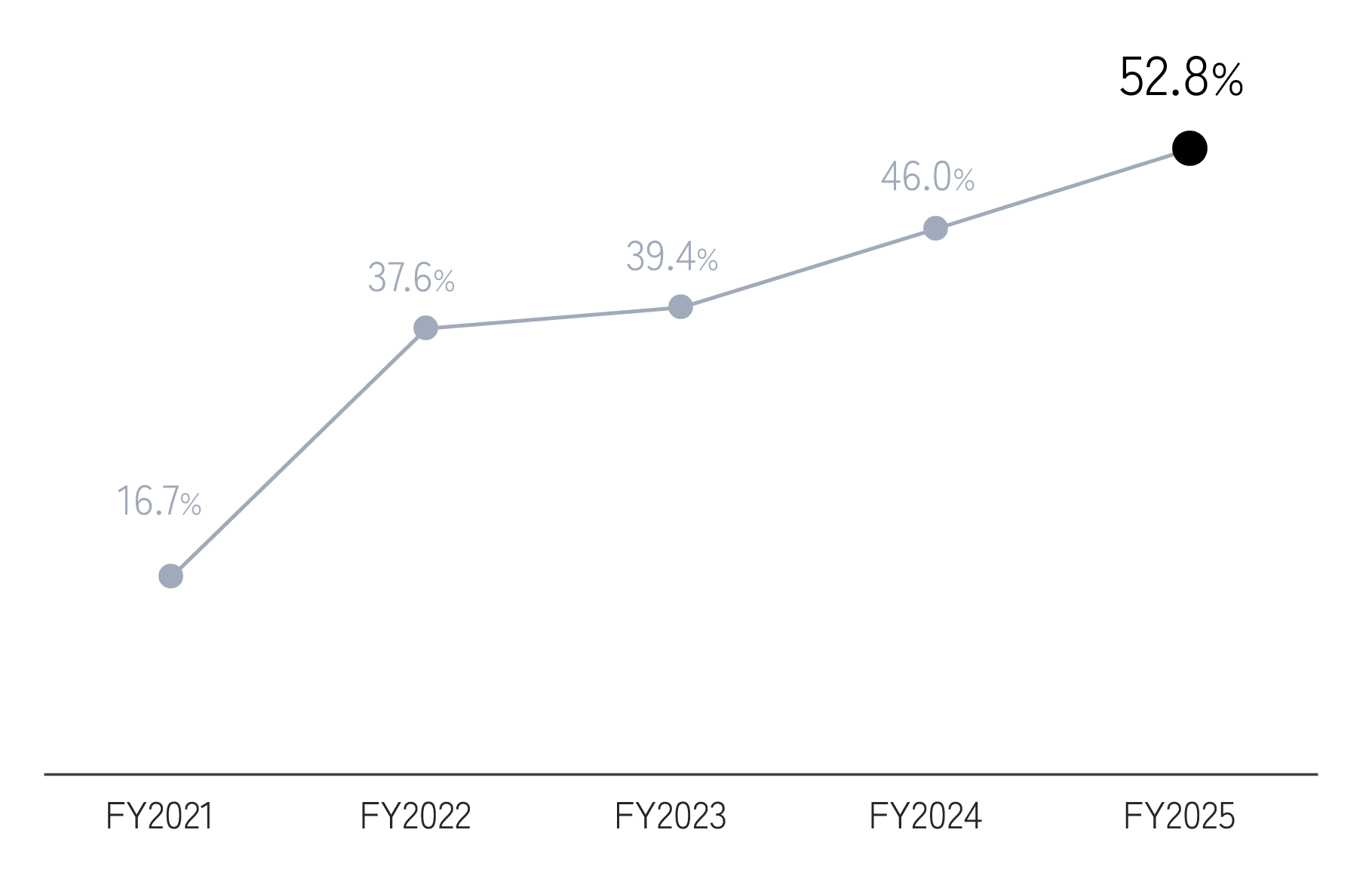
- Percentage of Women Promoted to Leadership Roles = Number of women promoted to leadership roles / Total number of employees promoted to leadership roles
Through these initiatives, we aim to expand opportunities for women to thrive—from staff positions to management and ultimately to executive roles.
The Group regards ensuring gender diversity on its Board of Directors as a key priority in reflecting diverse perspectives in decision-making. The Group is a member of the “30% Club Japan,” an international initiative aimed at increasing the proportion of women in senior leadership, and supports its objectives. As of the end of FY2025, women account for 27.3% of the Board of Directors.
2. Supporting Male Employees’ Participation in Childcare
To help close gender gaps, we believe it is equally important to support male employees’ participation in childcare.
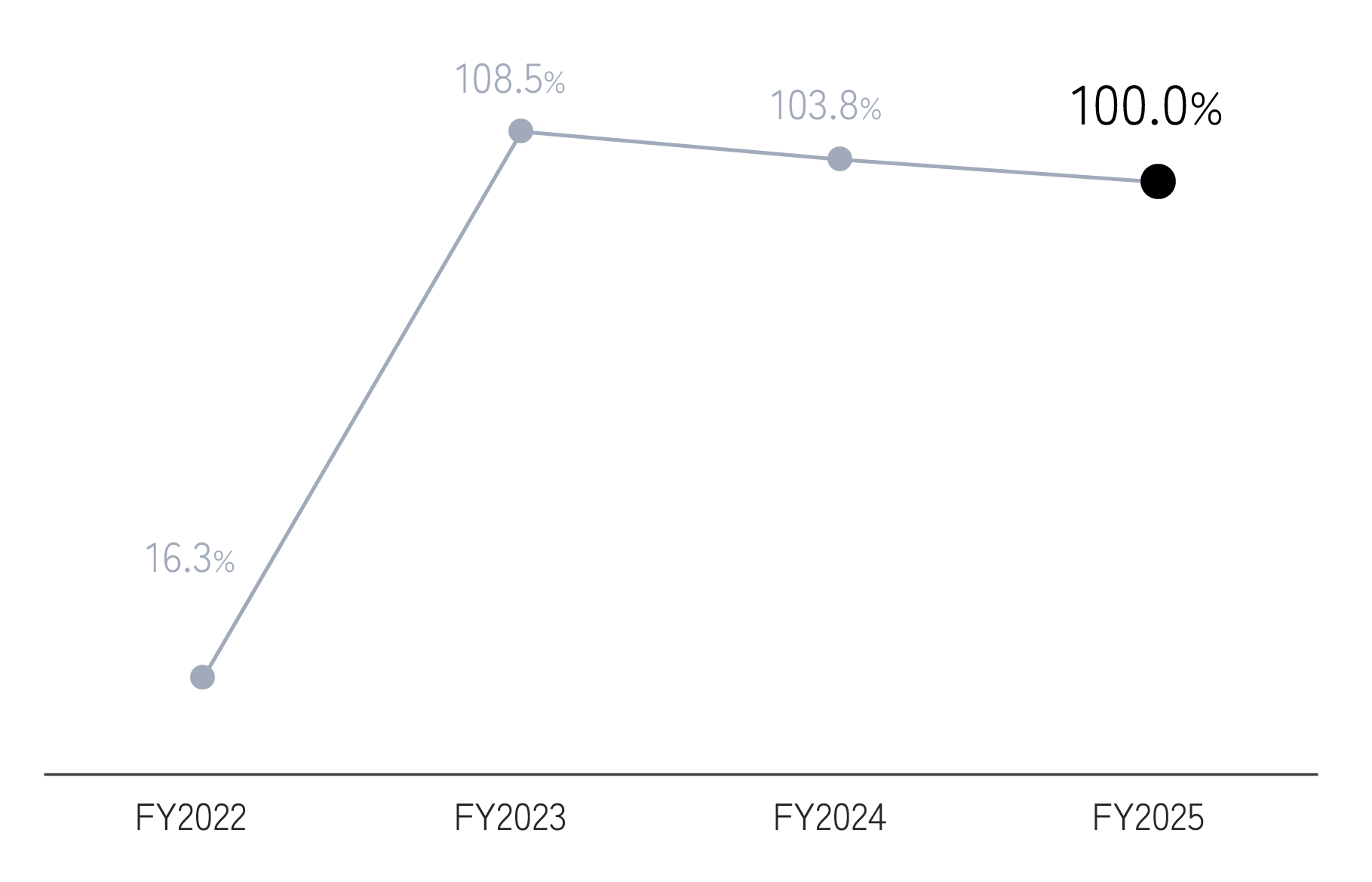
In FY2023, we introduced Special Childcare Leave* to create an environment in which male employees can more easily take part in childcare. As a result, male employees’ parental leave uptake rate has remained at over 100%.
- Special Childcare Leave: Paid leave provided by the Group for childcare purposes, separate from statutory childcare leave, which can be taken for up to 10 days within 8 weeks of a child’s birth.
Male Employees’ Parental Leave* Uptake Rate
- Parental leave: Both childcare leave as stipulated by the Act on Childcare and Family Care Leave and the Company’s own provisions for special childcare leave and postnatal paternity leave.
Average Number of Days of Parental Leave Taken by Male Employees
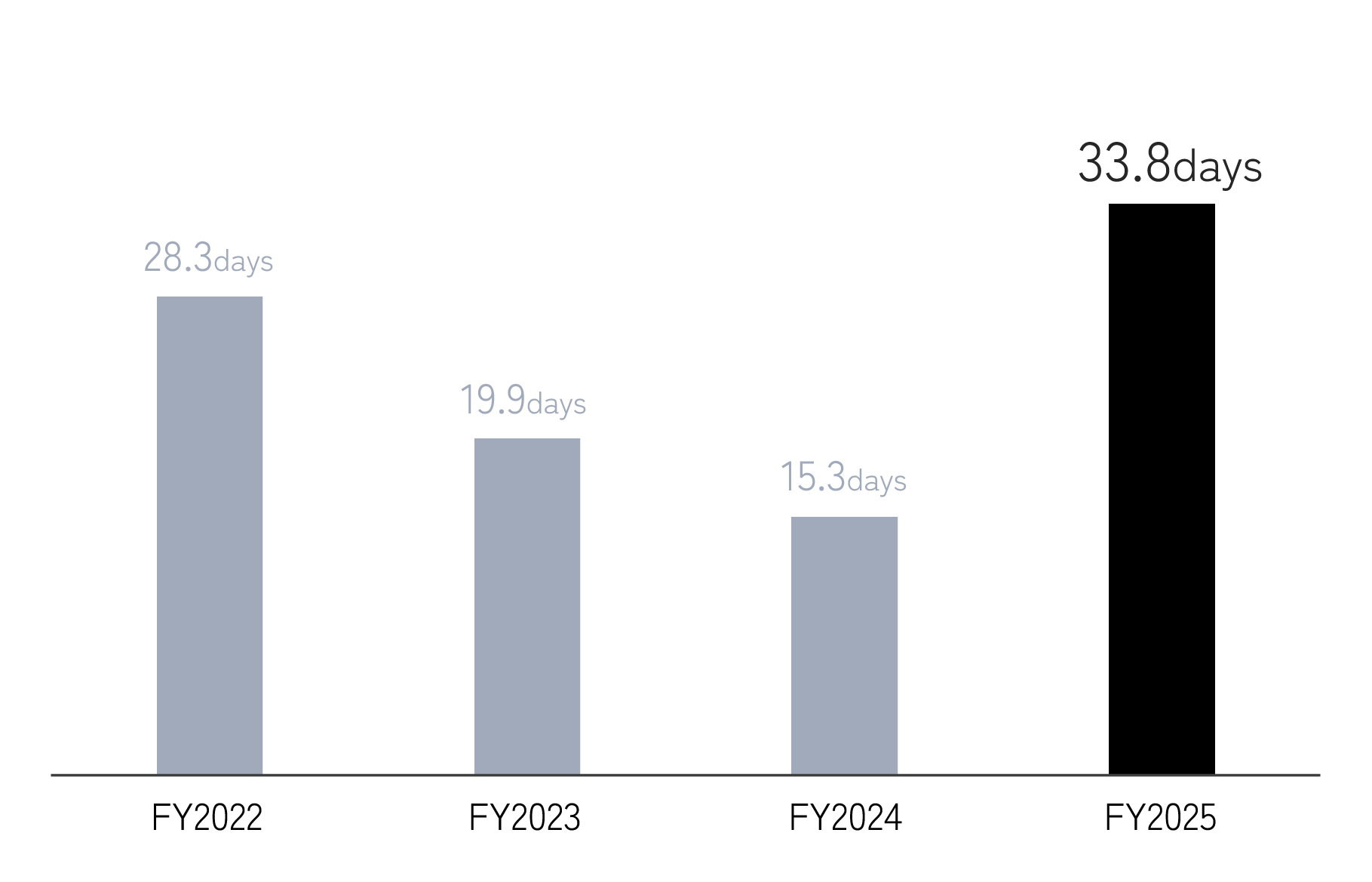
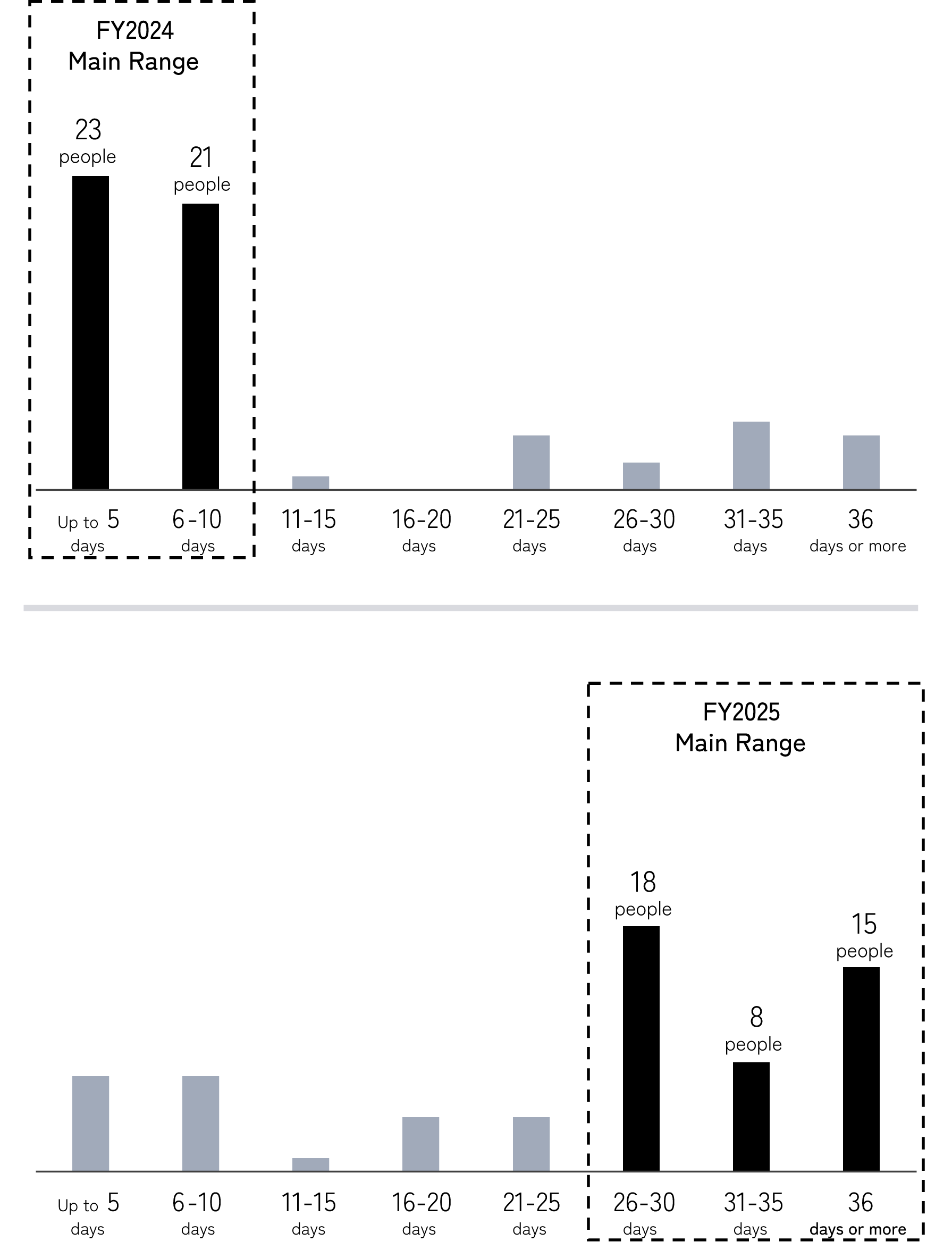
As a result of our continued efforts to encourage male employees to take at least one month of parental leave, the average number of days taken increased significantly in FY2025. Compared with FY2024, the distribution of leave durations shifted markedly, with a clear change in the most common range.
Distribution of Parental Leave Days Taken by Male Employees
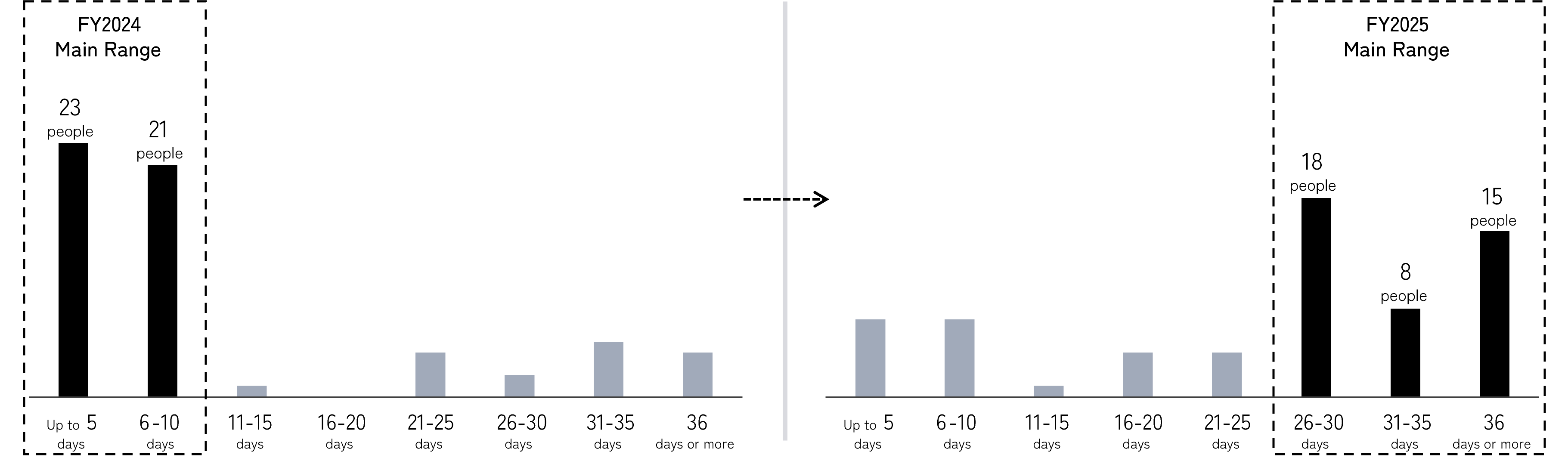
Distribution of Parental Leave Days Taken by Male Employees
3. Supporting Work–Childcare Balance
We are working to develop systems that support employees in balancing work and childcare regardless of gender, while fostering a workplace culture that encourages and supports employees during the child-rearing stage.
We will continue to foster an environment in which each employee can balance work, childcare, and personal fulfillment.
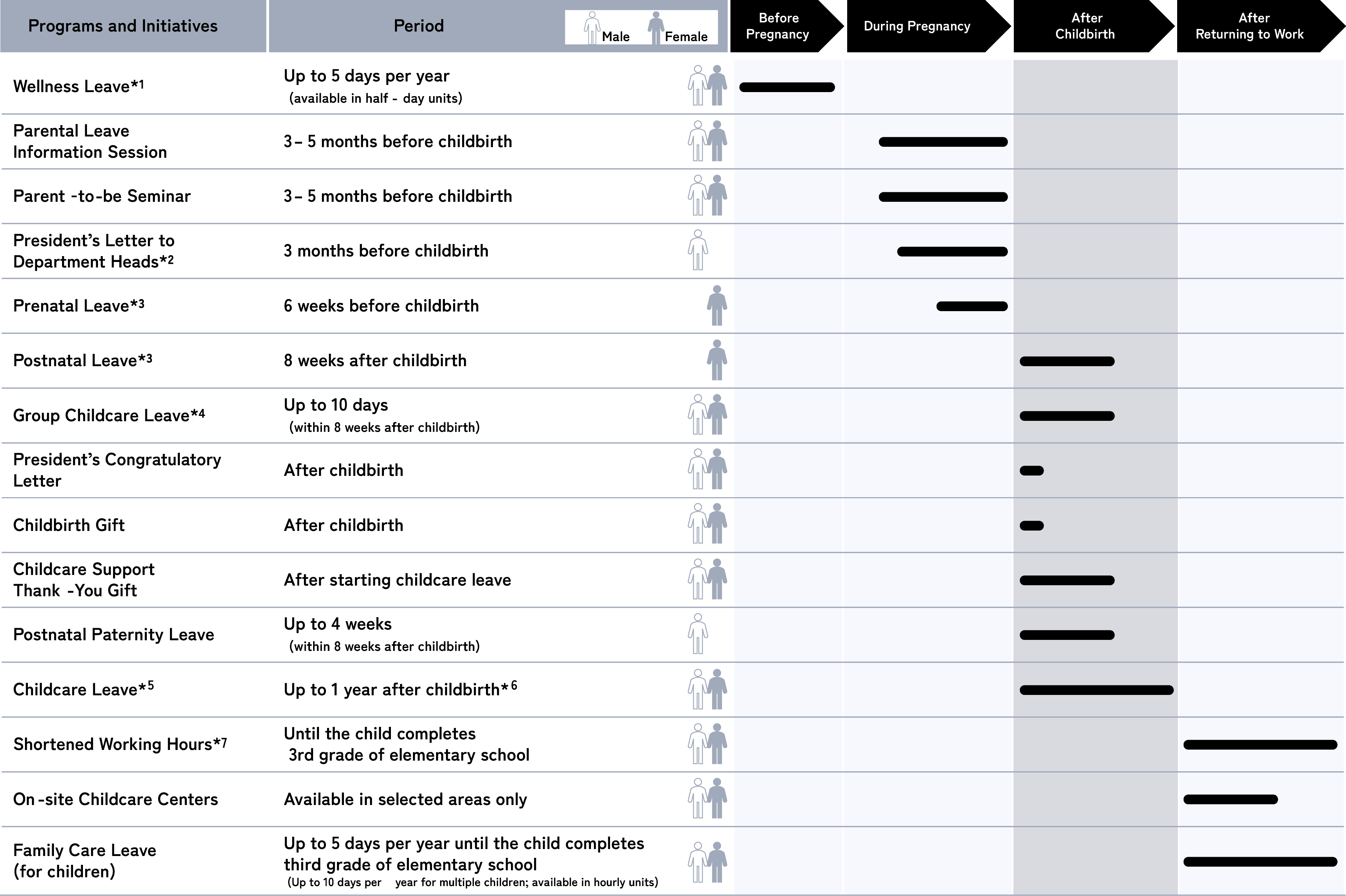
- Paid leave available for employees who need to visit medical institutions for infertility treatment or related examinations.
- Initiative to promote the uptake of childcare leave by male employees.
- Paid leave available to female employees who submit a medical certificate from a physician or midwife and are due to give birth within 6 weeks (14 weeks in the case of a multiple pregnancy).
- Paid childcare leave, separate from statutory childcare leave, available to all employees regardless of gender, except for those taking postnatal leave due to overlapping periods.
- Available to all employees, including part-time and contract employees, regardless of gender.
- Extendable up to the day before the child reaches 2 years of age, in accordance with the Child Care and Family Care Leave Act.
- Flexible working arrangements that allow employees to choose between 3 and 5 working days per week and a minimum of 4 working hours per day.
4. Supporting Employees in Balancing Work and Caregiving
As Japan’s population continues to age amid a declining birthrate, employees leaving their jobs to care for aging parents has become a growing social concern. We also expect more employees to face challenges in balancing work and caregiving responsibilities.
In response, the Group offers caregiving leave that exceeds statutory requirements, as well as a caregiving leave-of-absence program that allows employees to take up to three years of leave. We have also strengthened support for employees with caregiving responsibilities by introducing “Family Presence Leave,” which enables them to spend meaningful time with family members nearing the end of their lives.
Following a significant expansion of these support programs, the number of employees taking caregiving leave increased substantially in FY2025. The Group also provides an in-house caregiving consultation service where an employee who is a certified care manager serves as a specialist advisor, offering support based on their professional expertise.
We will continue to provide flexible working arrangements and support tailored to individual circumstances, creating an environment in which employees can continue working without interrupting their careers. Through these efforts, we aim to support employees’ career continuity while maintaining and strengthening the Group’s human capital.
5. Enabling Diverse Work Styles Through Side Jobs
We were one of the first regional banks in Japan to lift restrictions on side jobs in April 2019, promoting diverse working styles and supporting the development of employees’ capabilities.
This initiative enhances each employee’s expertise and supports autonomous career development, contributing to the sustainable growth of corporate value and the development of local communities.
In recent years, the environment surrounding regional economies has changed significantly. Financial institutions are increasingly expected to provide high-value-added solutions that address the management challenges of their corporate clients, in addition to their traditional financial intermediation functions.
In light of these changes, the Group encourages employees to gain diverse knowledge and experience through external activities and apply what they have learned to their primary roles.
Through this approach, we aim to strengthen our ability to propose solutions and solve problems, thereby contributing to the growth of local businesses and regional economies. As of the end of March 2026, the number of approved side jobs stood at 62.
The Group has introduced a performance evaluation system for all employees, including part-time staff.
We base our evaluations on a structured process that includes goal setting, ongoing dialogue, and feedback mechanisms. This approach enhances transparency and fairness while supporting employees’ individual growth.
With the aim of promoting the active participation of diverse talent, we revised part of the evaluation system in April 2024 and have since focused on its steady implementation and integration.
The Group operates a compensation system based on fair and equitable treatment aligned with employees’ roles and responsibilities.
This system is designed to ensure that compensation appropriately reflects levels of responsibility and individual performance, regardless of attributes such as age or gender.
The Group’s compensation structure is centered on base salary, supplemented by bonuses. Bonuses are determined based on the Group’s overall performance and each employee’s individual performance.
In May 2023, the Group also introduced a stock compensation plan (J-ESOP) to further strengthen the linkage between employee compensation and the Group’s share price and performance.
For veteran and senior employees, the Group has reviewed compensation and treatment for employees aged 55 and above, as well as those rehired after retirement, supporting their continued contribution by leveraging their experience and expertise.
To enable the promotion and advancement of younger employees, the Group has also reviewed the operation of the grade system. Through these initiatives, we are working to ensure that promotions and compensation are based on ability and performance, rather than seniority.
We are working to create a workplace environment where employees can work in a healthy and fulfilling manner while promoting initiatives that support employee health and well-being.
Specifically, we have introduced various measures, including return-to-work programs, reduced working hours, a flextime system, telework, and on-site childcare facilities.
In addition, we promote employee health through internal projects and health initiatives utilizing healthcare applications.
Since FY2024, we have also implemented a recognition program for departments that actively promote health and productivity management.
We further conduct pilot initiatives using external services and provide seminars addressing women’s health-related issues.
We continue to encourage employees to take Company-Defined Leave.*
In addition, we focus on the impact of employees’ health conditions on workplace performance.
- Company-Defined Leave: A total of 15 days of paid leave consisting of consecutive leave (5 days) and refresh leave (10 days).
Company-Defined Leave Utilization Rate / Presenteeism Score*
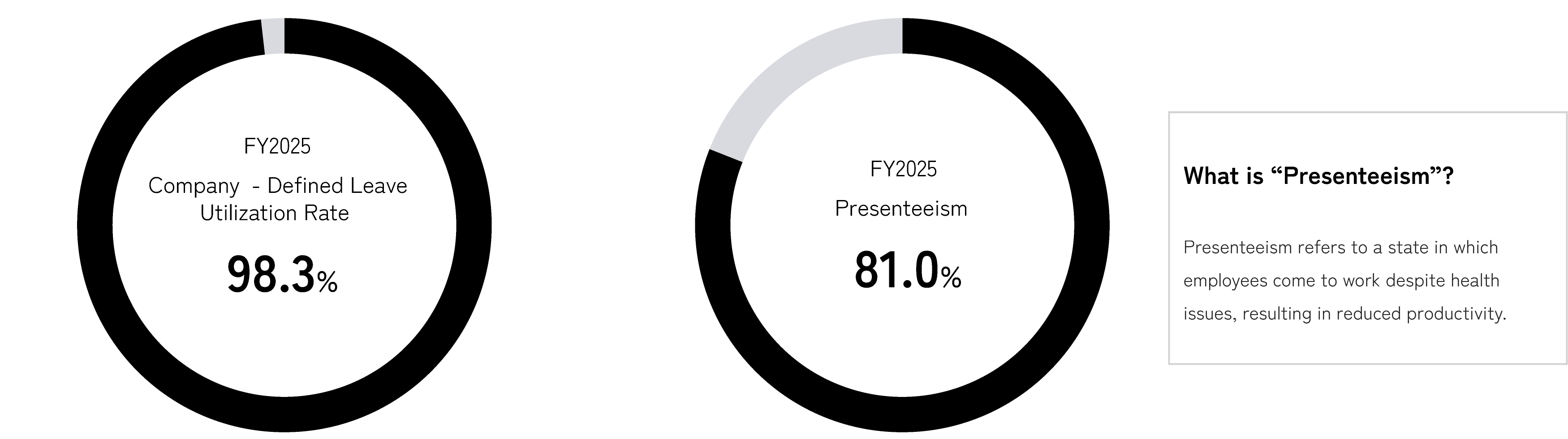
- Presenteeism Score: Calculated based on an employee survey in which employees self-assess their work performance (%) across three indicators—work quantity, quality, and results—using their performance when in good health as 100%. The score represents the average across all indicators.
Company-Defined Leave Utilization Rate

Presenteeism Score*
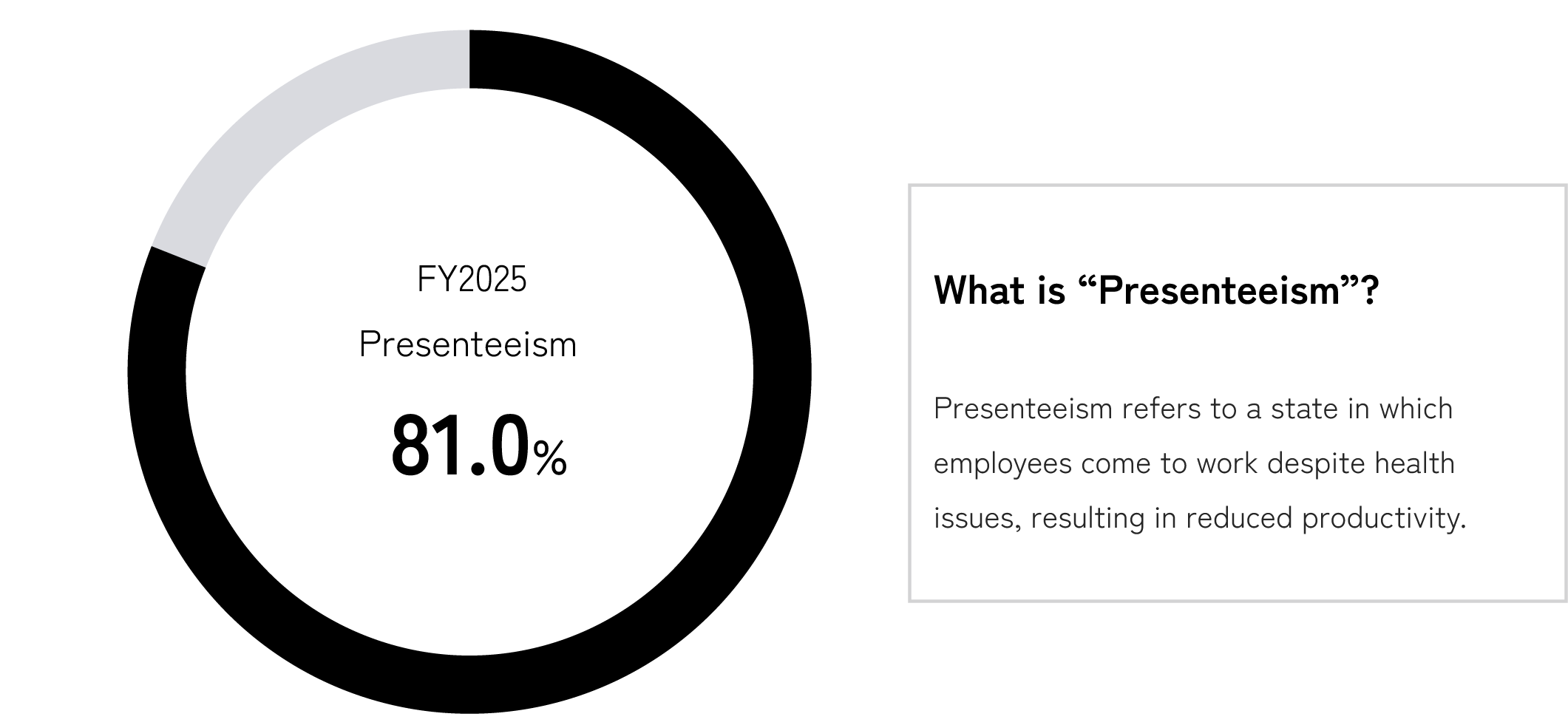
- Presenteeism Score: Calculated based on an employee survey in which employees self-assess their work performance (%) across three indicators—work quantity, quality, and results—using their performance when in good health as 100%. The score represents the average across all indicators.
The utilization rate of Company-Defined Leave reflects the “behavioral” aspect of ensuring opportunities for rest and recuperation, while the presenteeism score represents the “condition” aspect related to the impact of health issues on productivity.
By monitoring these indicators together, we assess from multiple perspectives whether employees can work in good physical and mental condition. Through these efforts, we aim not only to encourage leave utilization but also to use these insights to improve the workplace environment.
In March 2026, the Group was certified as a “2026 Certified Health & Productivity Management Outstanding Organization (Large Enterprise Category)” by the Ministry of Economy, Trade and Industry (METI) and the Nippon Kenko Kaigi.
To maintain and enhance employees’ physical and mental health and create a comfortable and supportive working environment, we comply with the Labor Standards Act and other applicable laws and regulations and work to reduce long working hours.
The Group appropriately manages overtime work in accordance with labor-management agreements concluded under Article 36 of the Labor Standards Act, which stipulate limits of 45 hours per month and 360 hours per year. We also conduct regular monitoring of working hours. When long working hours are identified, managers take corrective action and implement operational improvements to help prevent excessive working hours.
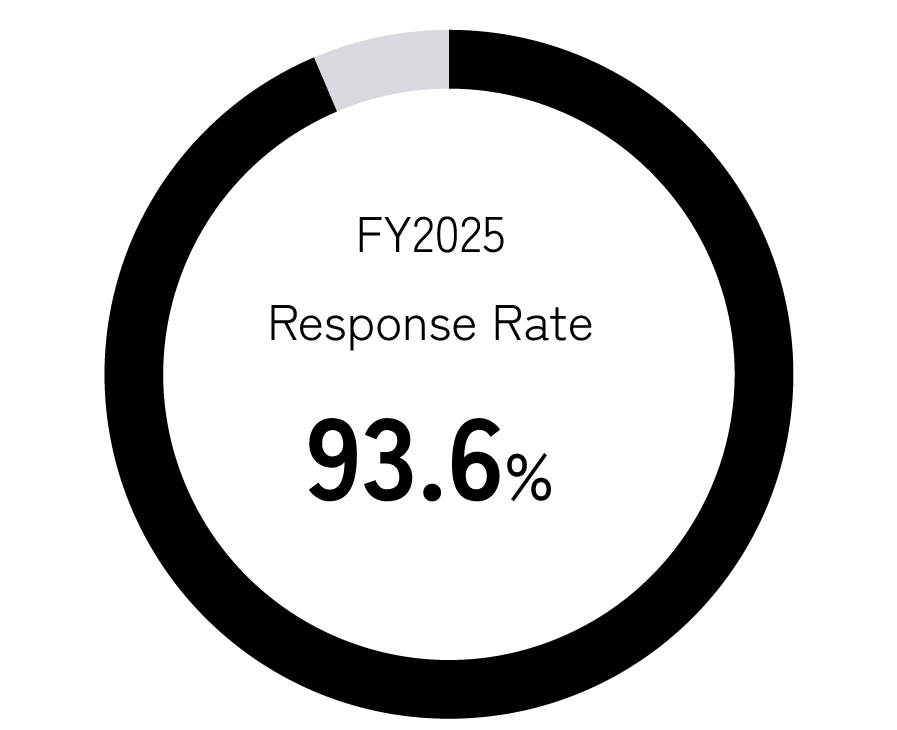
We conduct an annual employee survey to understand employees’ perspectives and assess the state of organizational culture within the Group.
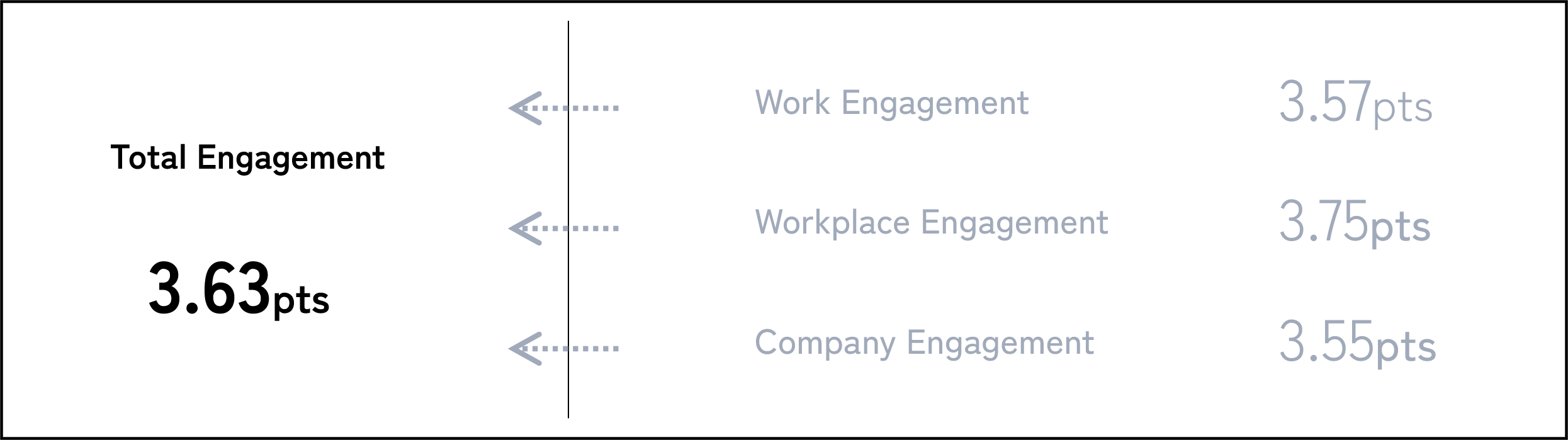
In FY2025, we upgraded our employee survey from a satisfaction survey, which had been conducted through FY2024, to an engagement survey.
By focusing not only on working conditions (i.e., satisfaction) but also on job satisfaction (i.e., engagement), we use the results to evaluate the effectiveness of our human capital management initiatives and to identify emerging challenges.
Employee Engagement Survey Results (FY2025)
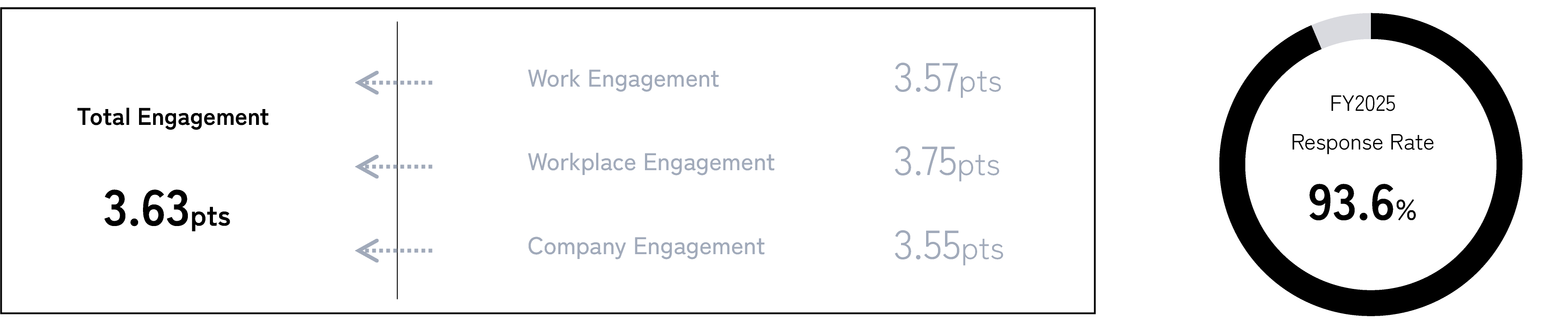
Employee Engagement Survey Results (FY2025)
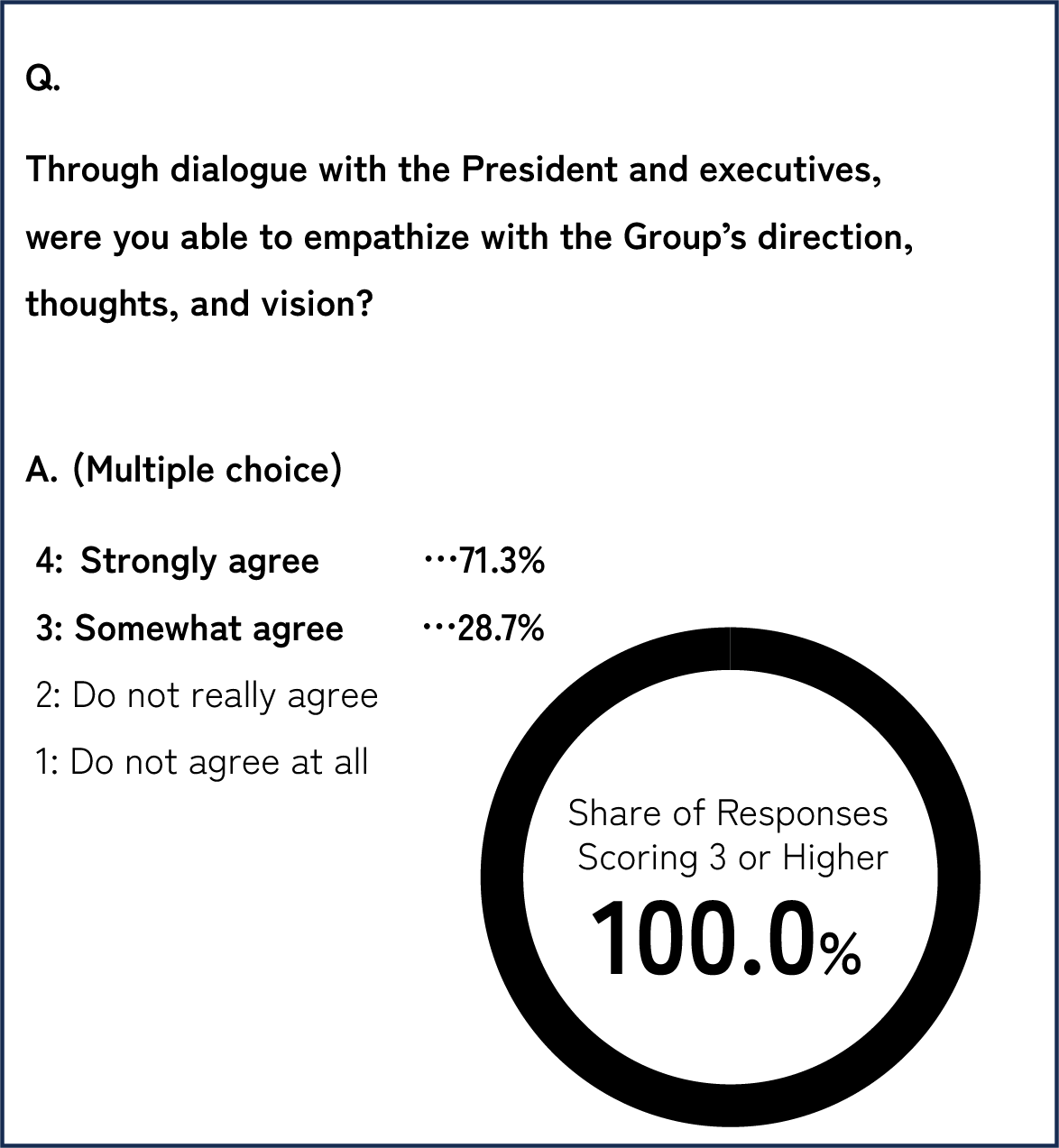
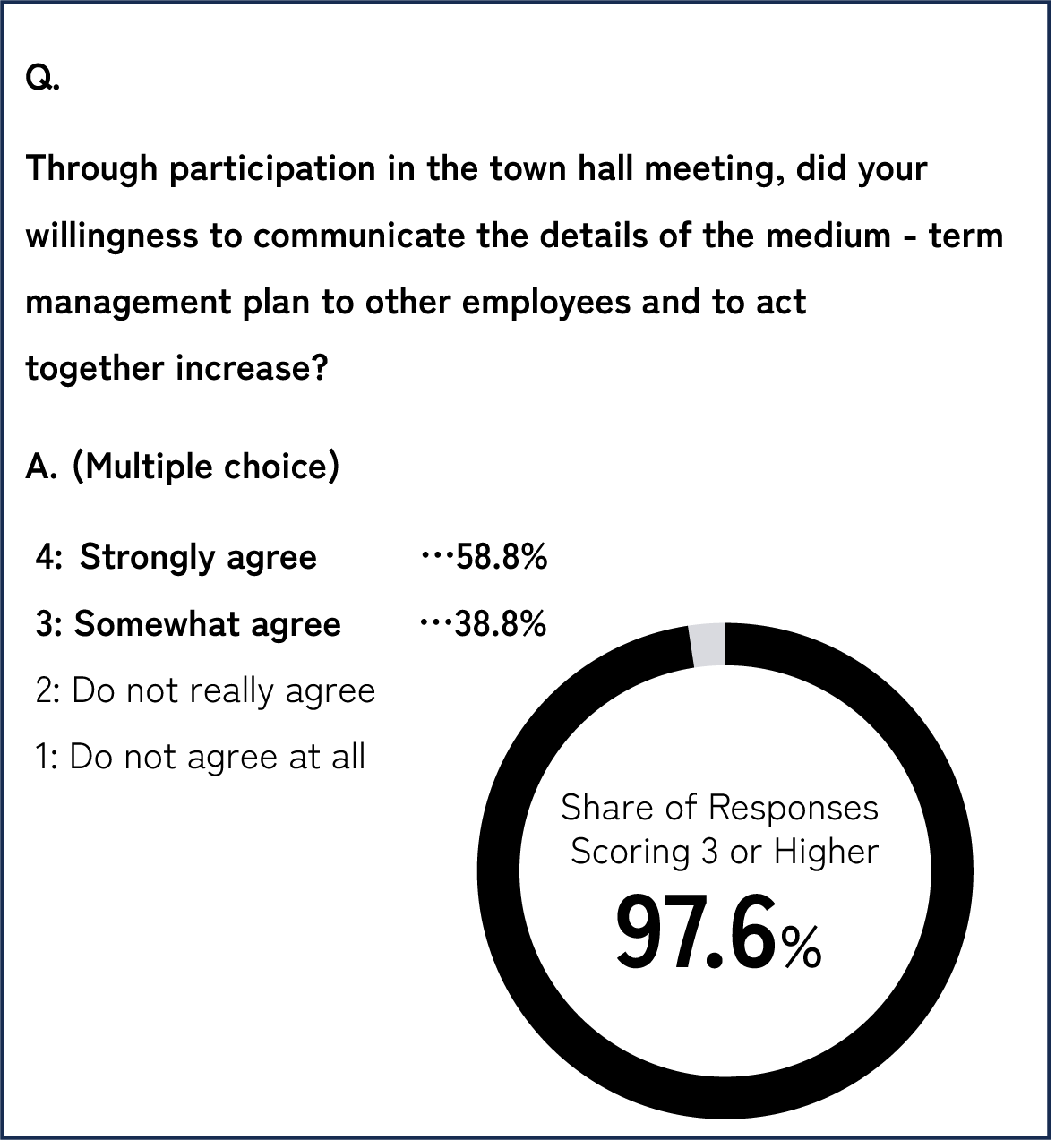
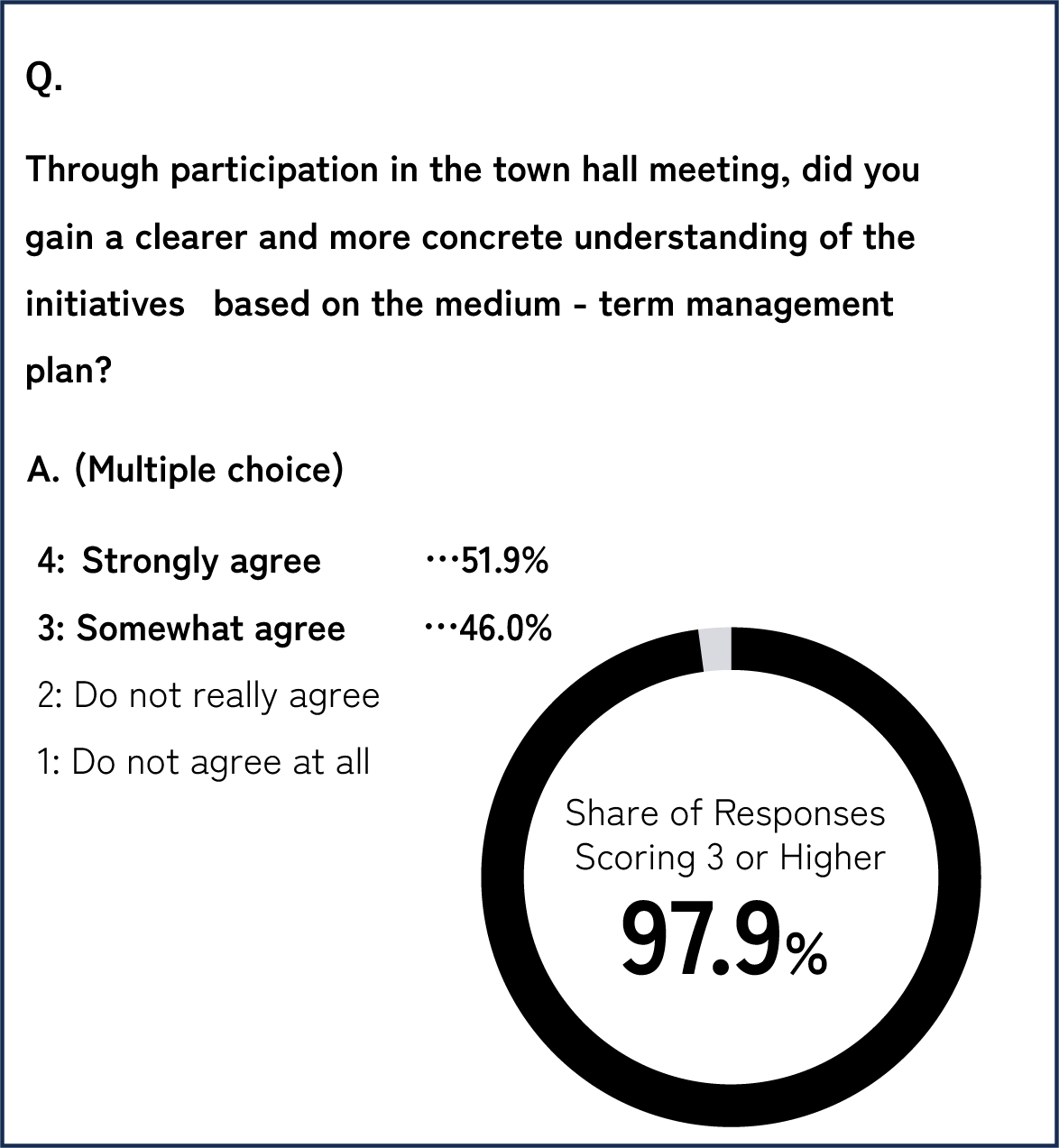
We have been holding “YMFG Town Hall Meetings” since FY2023 as an initiative to facilitate dialogue between employees and senior management, including the President and CEO and the presidents of the Group banks.
The meetings are held annually with different themes, serving not only to communicate the Group’s direction but also to deepen mutual understanding and provide a forum for sharing diverse ideas and perspectives.
Overview of Town Hall Meetings
|
FY2023 |
FY2024 |
FY2025 |
FY2026 |
|
|
Number of Meetings |
20 times |
15 times |
15 times |
In progress |
|
Number of Participants |
741 people |
352 people |
418 people |
Post-Event Survey Results (FY2025)
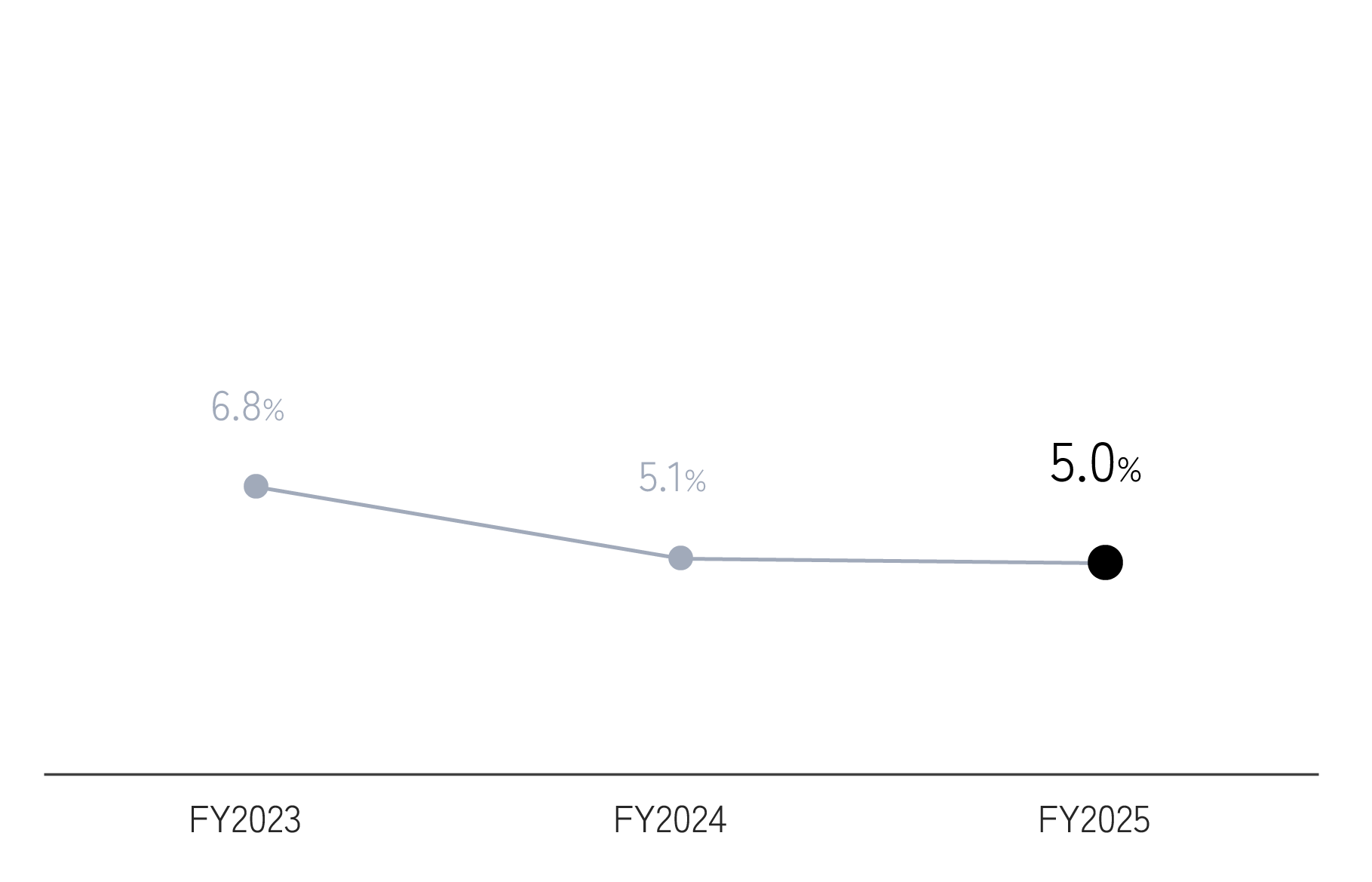
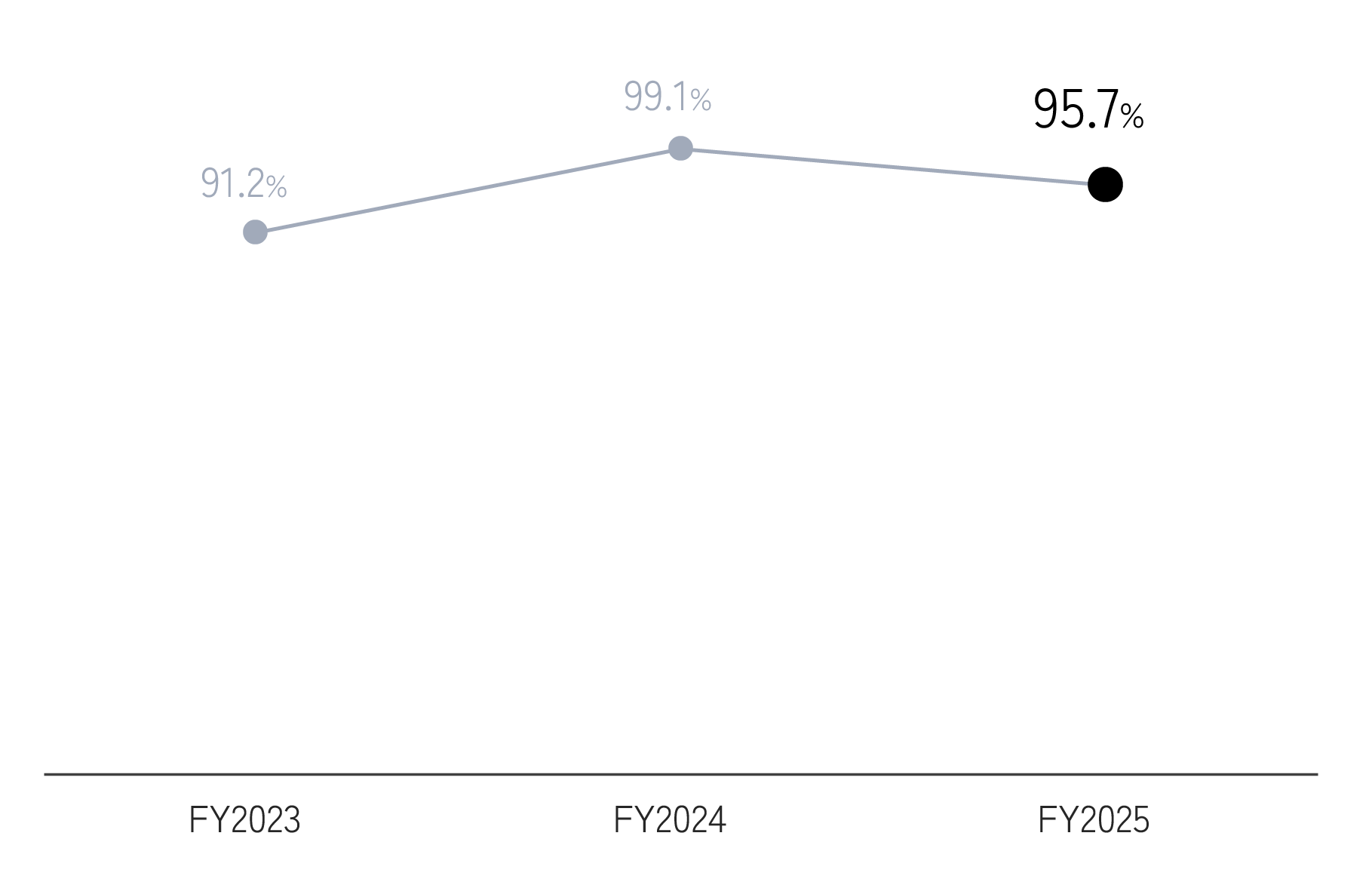
Efforts to enhance employee engagement and create a comfortable workplace environment are also contributing to employee retention.
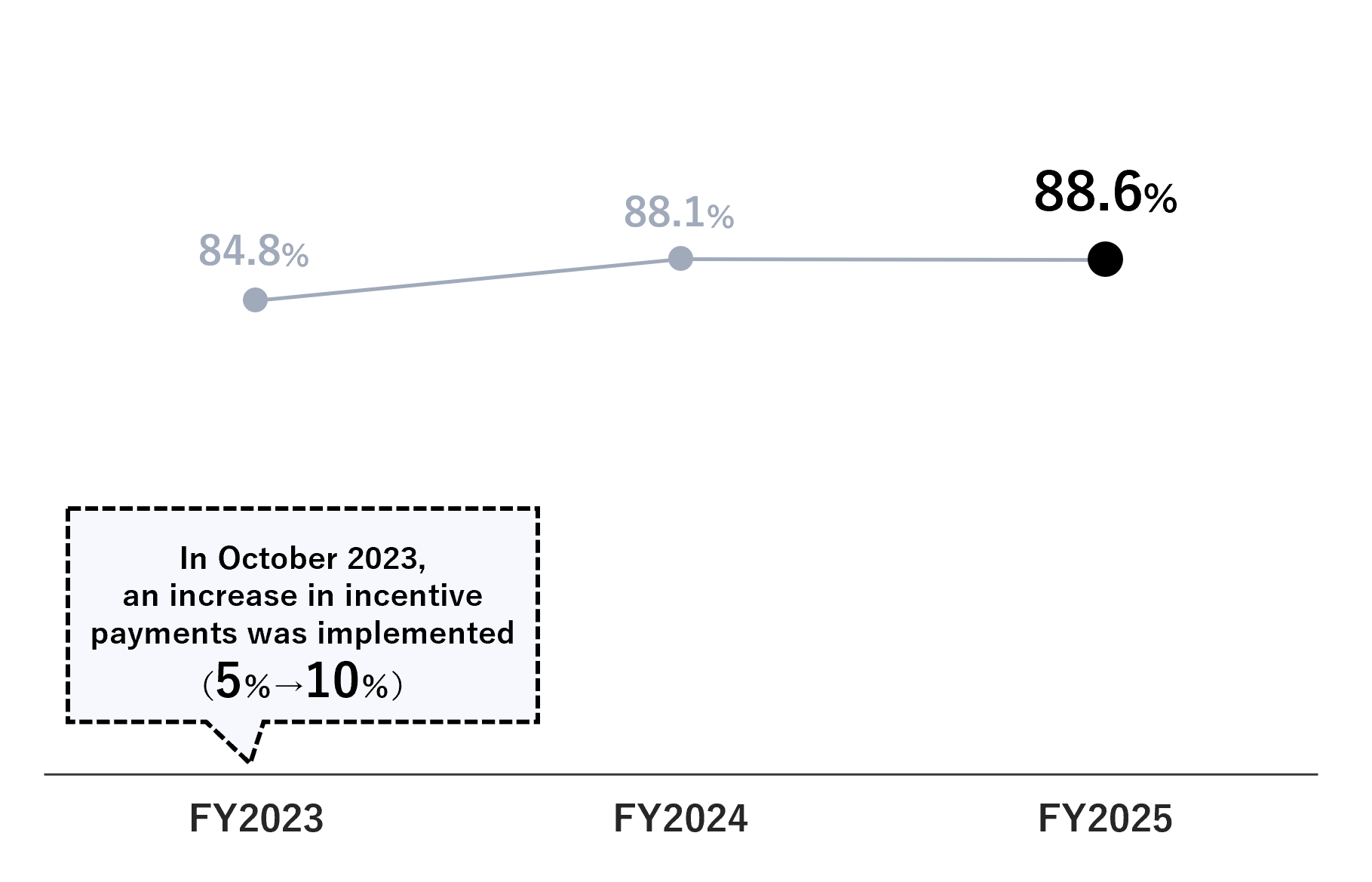
Turnover rates have been on a downward trend, while the one-year retention rate for new hires has remained at a high level.
Turnover Rate (Including Mandatory Retirement)
One-Year Retention Rate
From a human capital perspective, we believe it is important for employees to take ownership of the Group’s growth and long-term value creation and to actively contribute to these efforts.
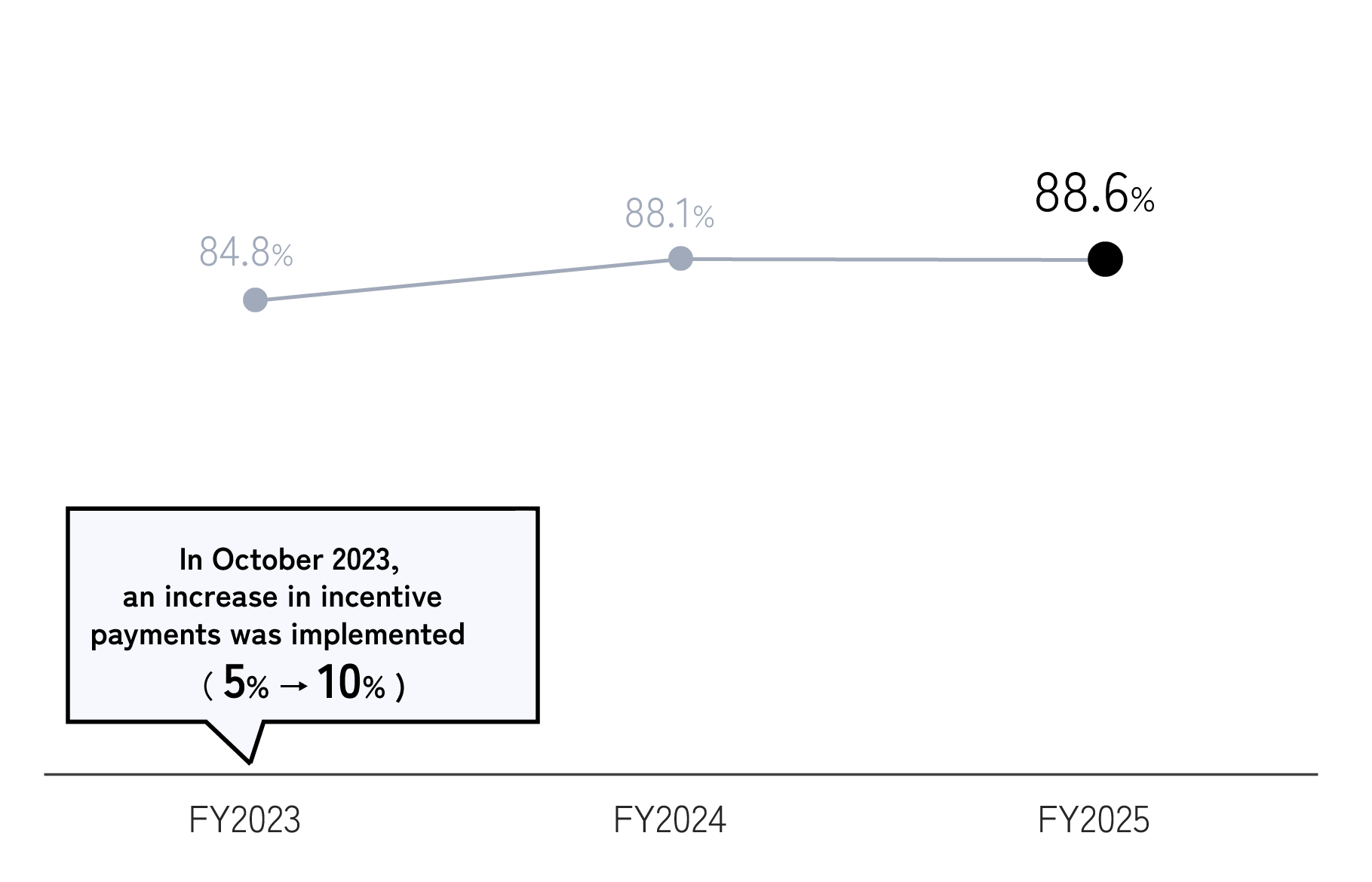
To assess this, in addition to employee surveys, we also refer to behavioral indicators, one of which is participation in the employee shareholding association. The employee shareholding association supports employees’ medium- to long-term asset building while encouraging them to align the Group’s growth with their own future. Participation trends also provide insight into employees’ sense of engagement with the Group.
This program is intended not as an investment vehicle but to foster employees’ sense of participation in management, and participation is voluntary.
In addition, the Group has introduced a stock-based compensation plan (J-ESOP), which links employee compensation with share price performance and business results, thereby encouraging employees to take a more active role in enhancing corporate value.
Employee Shareholding Association Participation Rate
Employee Shareholding Association Participation Rate